Systematic Approach to Options Trading

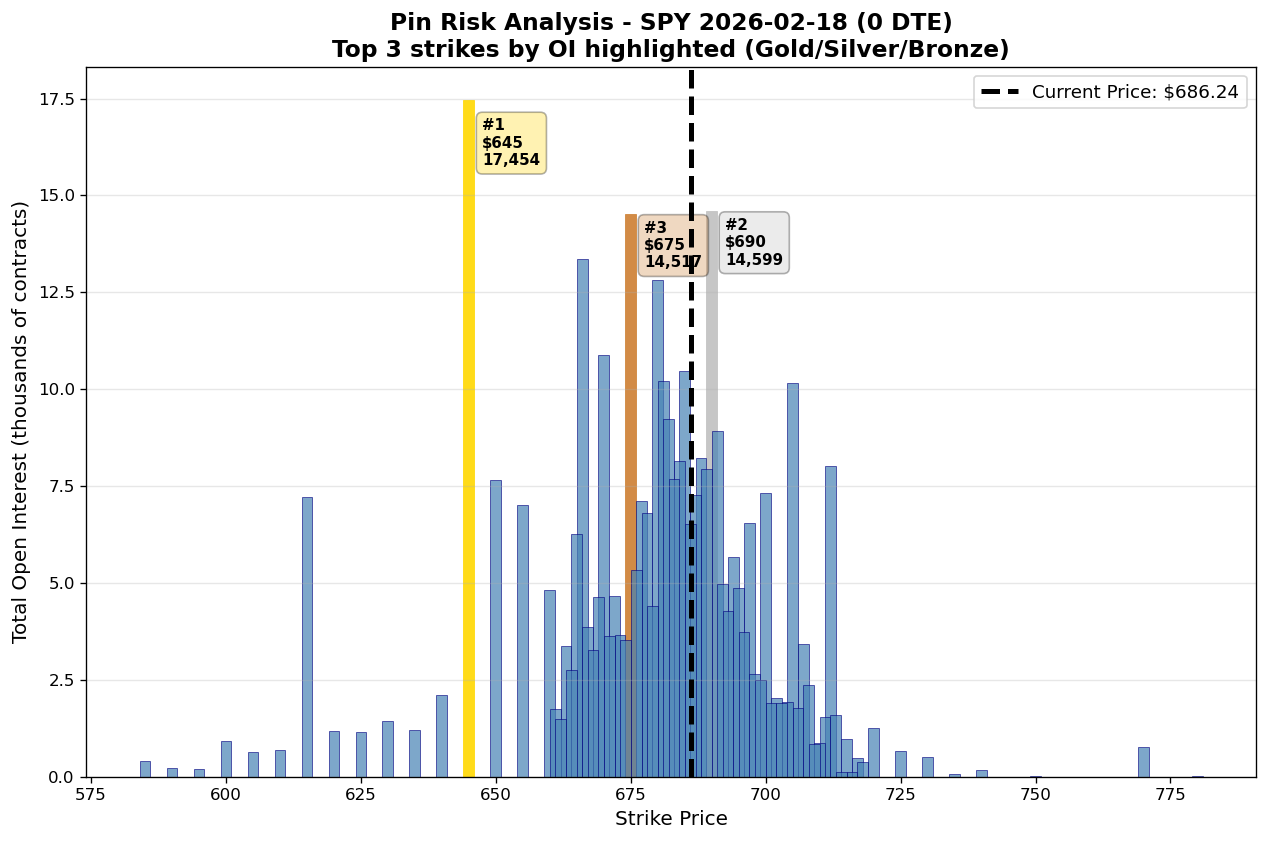
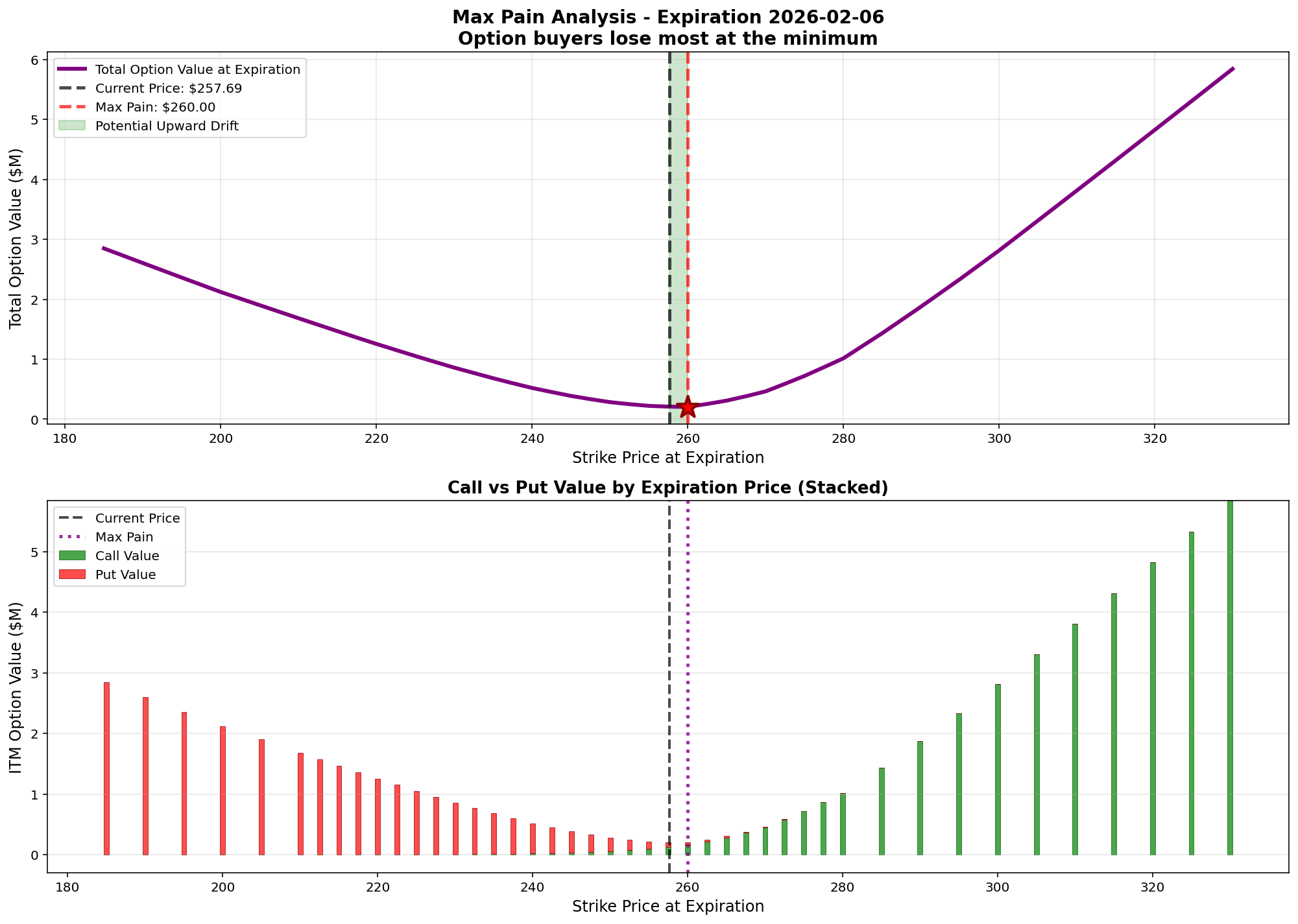
In my previous series of blog posts on (Pin Risk and Max Pain), we explored how massive open interest at specific strikes creates gravitational forces that pull stock prices toward those levels near expiration. We saw how dealer gamma hedging — the mechanical necessity of market makers rebalancing billions in exposure — creates observable pinning behavior every Friday. This post is about implementation — the practical rules, decision trees, and position management strategies you need to trade with pin risk rather than against it.

0 Comments

Pin Risk: How High Open Interest Creates Price Gravity

Max Pain tells us where the equilibrium point sits. But what's the actual mechanism that pulls the price toward it? Why do stocks repeatedly close within pennies of high open interest strikes, especially near expiration? The answer is pin risk — the gravitational force created by dealer gamma hedging.

0 Comments

Max Pain in Options Trading: Manipulation or Market Dynamics?

It's Friday late evening, and I am trading options. The market closes in a few hours, and I am monitoring my positions before the options expiration. I am watching SPY trade at $601.50, and I notice something strange: massive open interest sits at the $600 strike. Over the next hour, despite no obvious news, SPY drifts down to close at $600.08. On Monday, I see the same pattern repeat — the stock closed within pennies of a high open interest strike. Is this a coincidence or is there an explaination about this behaviour?

0 Comments

Options Liquidity and Market Execution

Before any option trade, I spend a lot of time analyzing the market, identifying a perfect setup, calculating my edge, and then I enter the trade. My thesis plays out exactly as expected. The stock moves in my favor, and I feel right...But I lose money. How? Liquidity.

0 Comments

Reading Options Volume and Open Interest

I often find that a simple physics analogy makes trading concepts easier to grasp, particularly when explaining the difference between what’s moving and what’s already there, the flux and the state. The flux measures flow through a surface, like current through a wire. The state describes what exists at a point in time, like charge accumulated in a capacitor. Options markets have a similar duality: volume measures the flow of contracts trading today, while open interest describes the total number of contracts that are still open and exist in the market.

0 Comments

Expected Move: The Options Trader’s Guide

Before earnings, product launches, or Fed announcements, traders face a critical question: How much will this stock actually move? The expected move answers this by quantifying the price range a stock is likely to stay within over a given time period — typically until options expiration. Unlike historical volatility, which looks backward, the expected move is forward-looking and derived from implied volatility priced into the options market.

0 Comments

Spread Trading with Z-Score

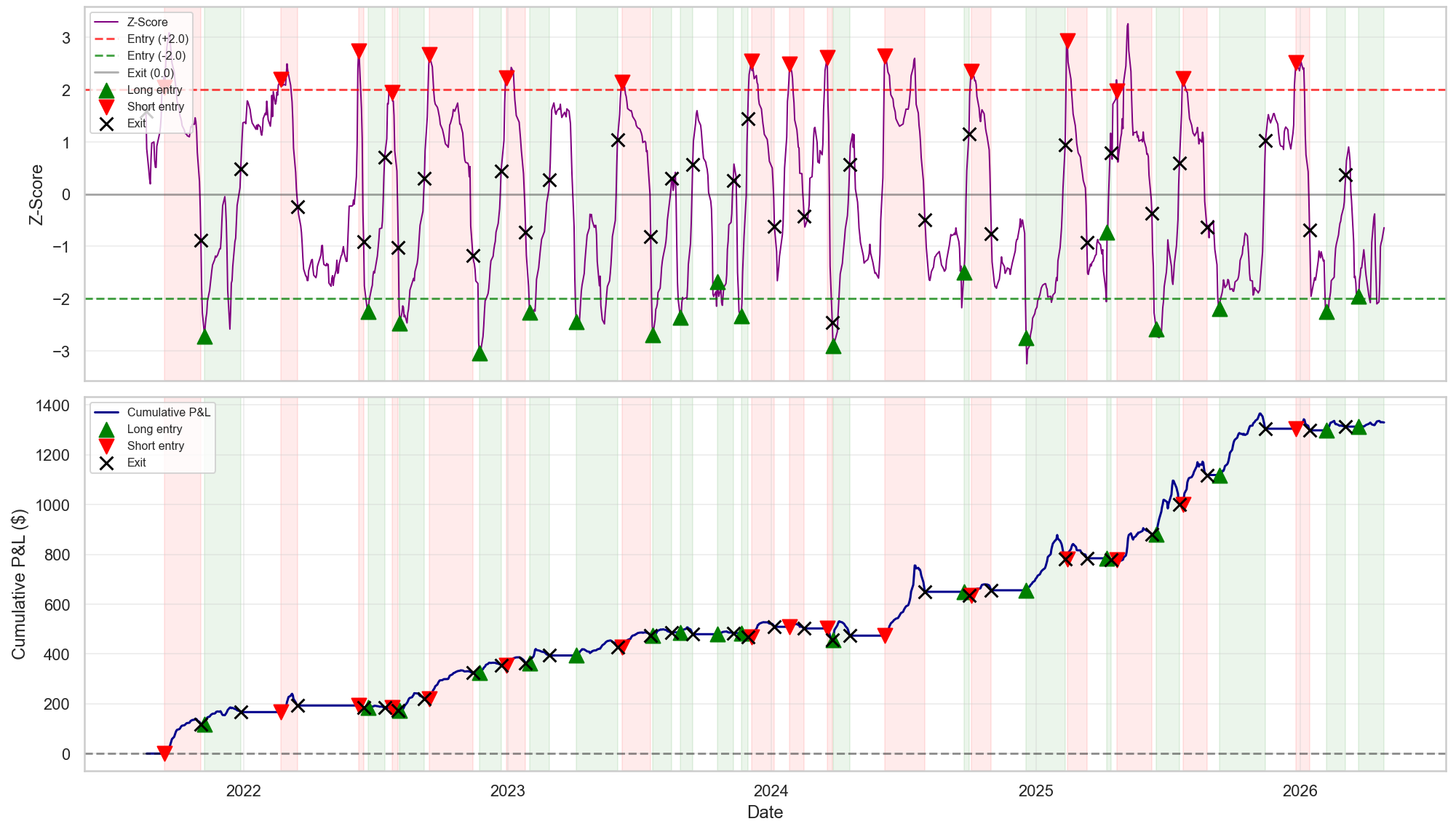
Pairs trading exploits the principle of relative value. Like in physics, we sometimes do not care only about absolute values — we care about deviations from a reference state. In this post, we'll use Python to construct a spread strategy between two stocks.

0 Comments

Analyzing and Detrending Yearly Cumulative Returns

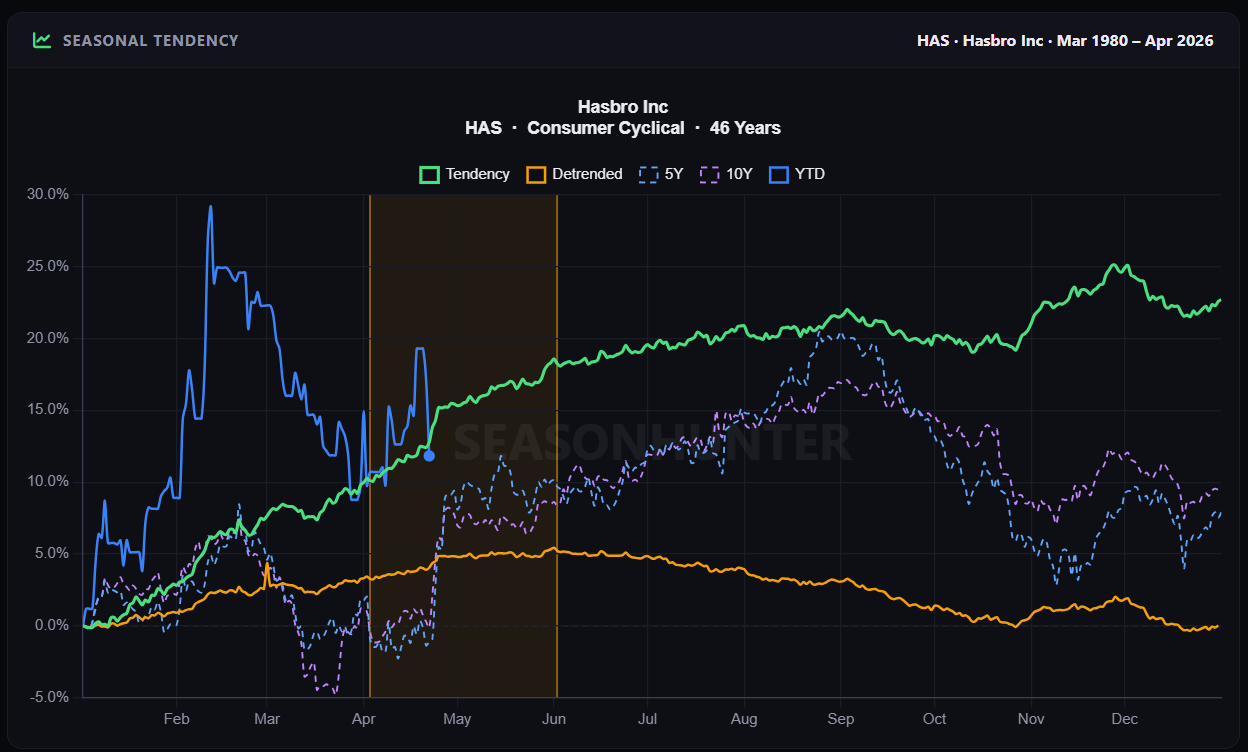
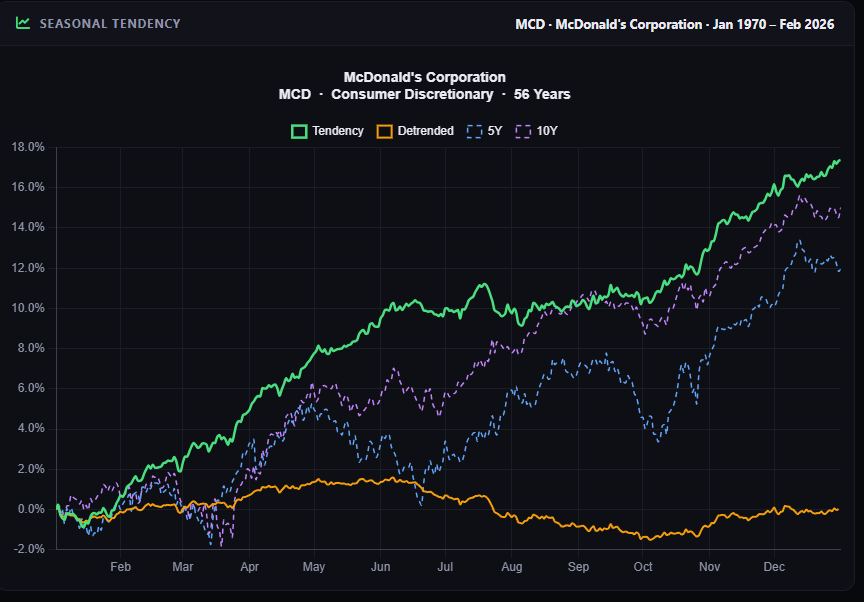
Stock prices — and even their cumulative returns — often show long-term upward or downward trends that can mask underlying behavior. In this post, we’ll use Python to calculate the yearly cumulative returns of a stock, understand what this metric really means, and then detrend the return series to reveal its true fluctuations and relative performance over time.

0 Comments

A Practical Guide to Retrieving Options Data

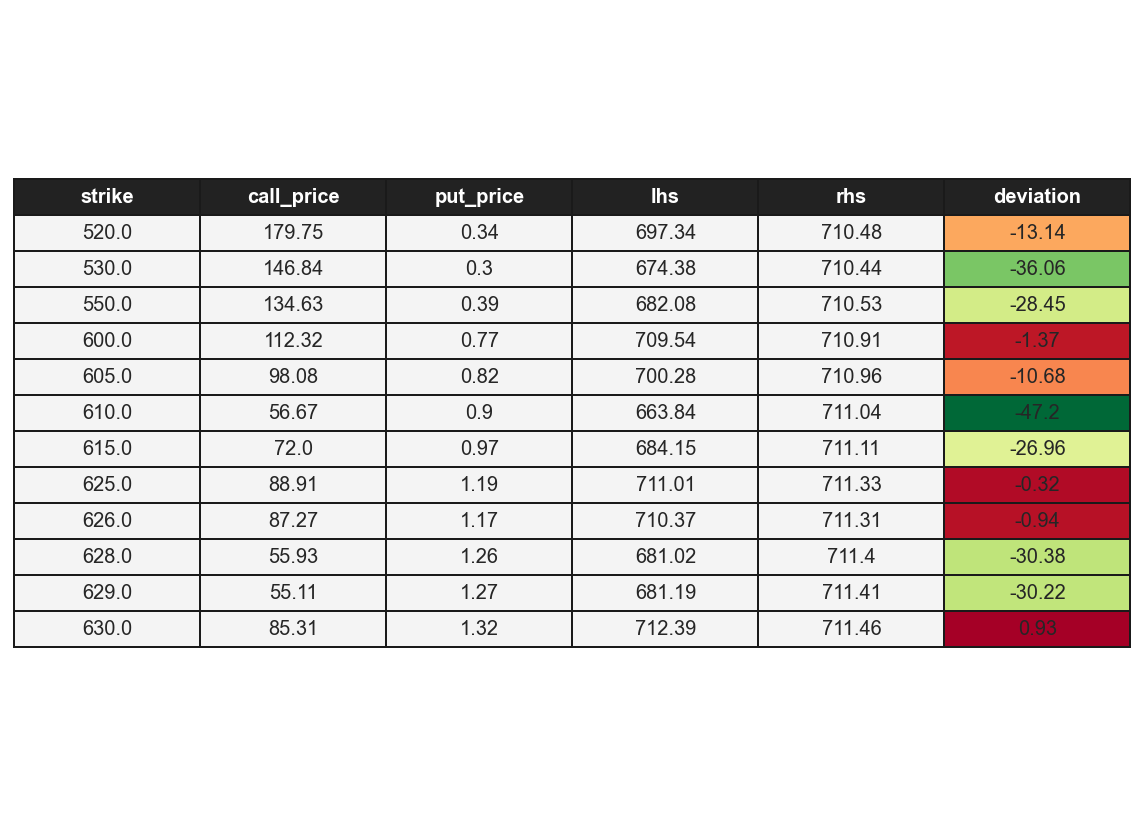
Understanding options data is essential if you want to move from theory to actual, structured trading strategies. Whether you’re tracking implied volatility, evaluating premiums, or building spreads, the first step is always the same: fetching the option chain.

0 Comments