SPY Seasonality Revealed
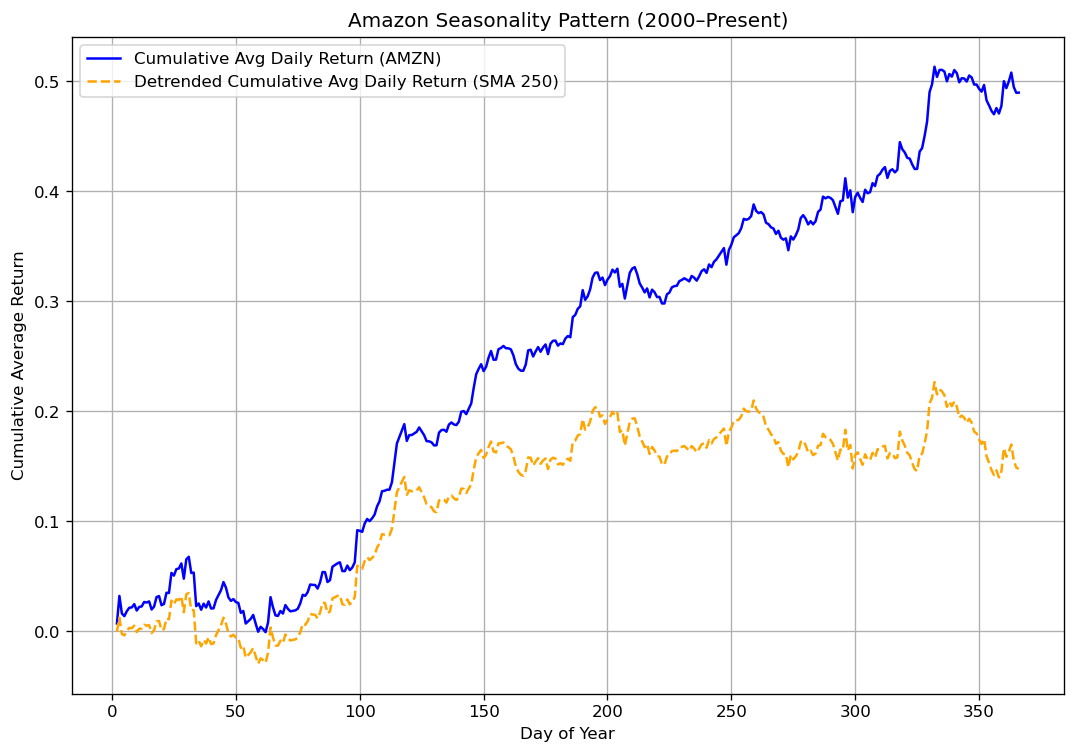
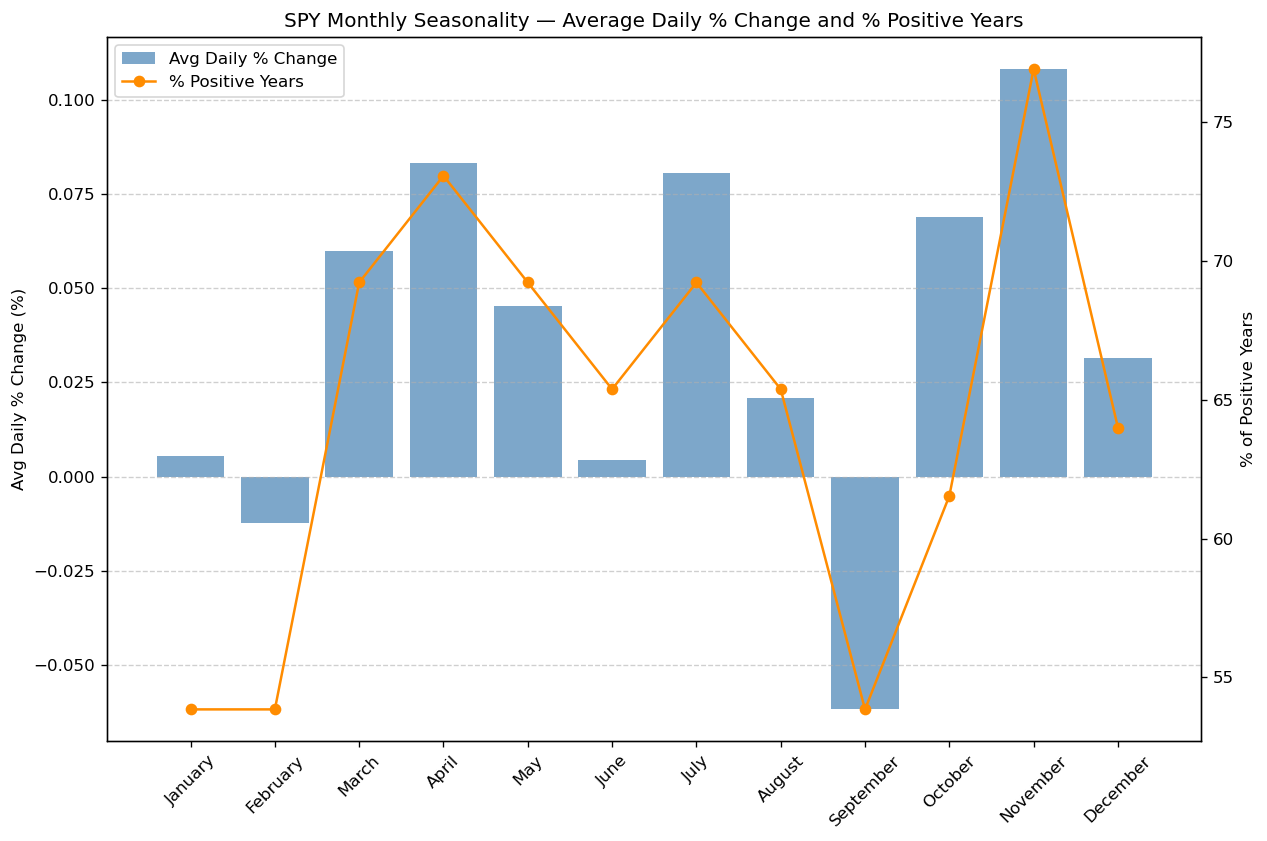
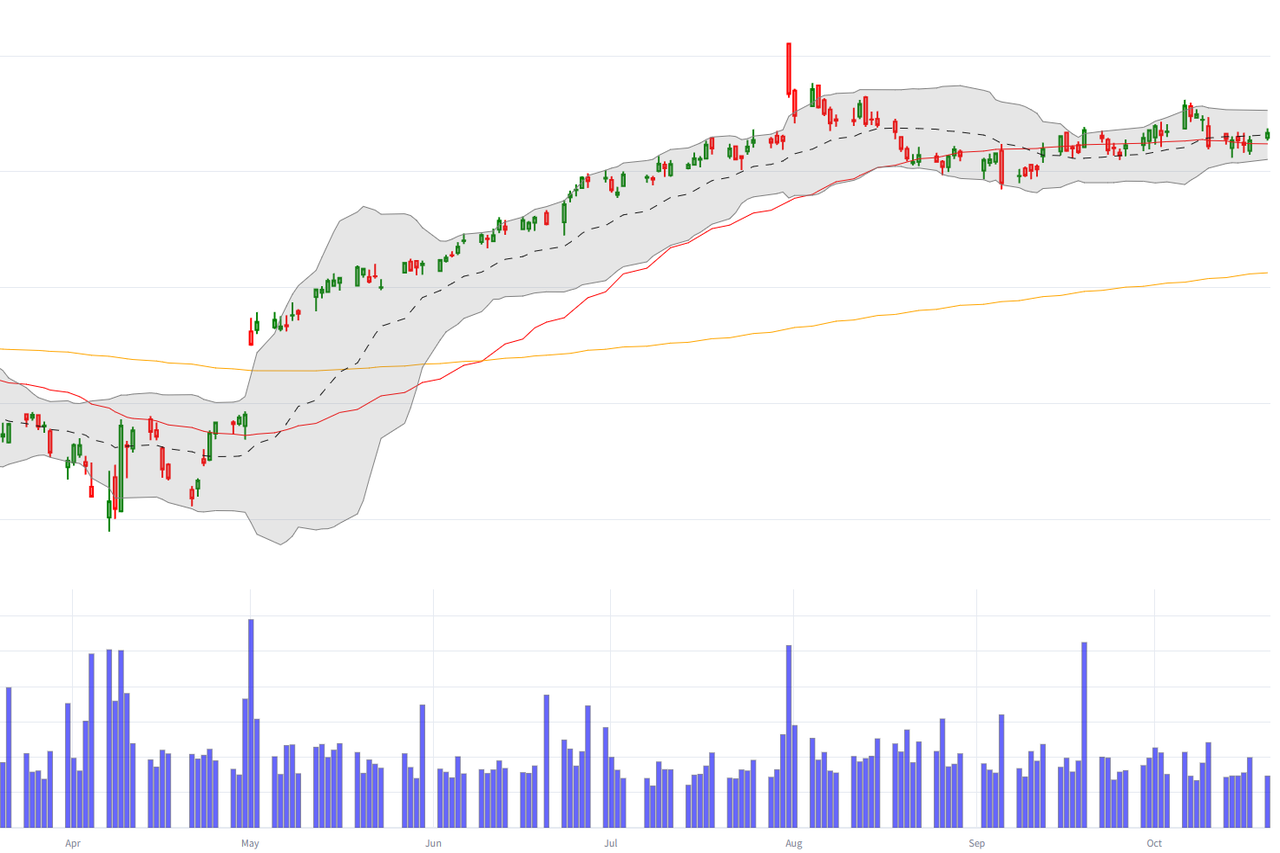
End of year seasonality of the S&P500 ETF (SPY) is one of the most persistent pattern among the seasonal effects study. In this post, I'll take a systematic look at this pattern looking at the monthly profile.
Markets may look chaotic, but under the intrinsic noise and unpredictability, some patterns quietly repeat. These seasonal effects — recurring behaviors tied to the calendar — can create subtle yet measurable edges for quantitative traders.
When you’re running a backtest, every line of code depends on a silent assumption: "The data actually reflects what happened in the market". But that assumption can break down — not because of your model, but because of something much smaller and easier to overlook: price adjustments.
In quantitative trading, like in physics, every model starts with data — and often, that means historical prices. But not all price data is created equal. One of the most overlooked — and misunderstood — aspects of market data is the distinction between adjusted and unadjusted stock prices. It might seem like a small technical detail, but it’s often the difference between a strategy that looks profitable —and one that truly is making money. In this post, I’ll unpack why that distinction matters.
When I first started backtesting strategies, I thought one long backtest was enough. It wasn’t. Markets change, conditions shift, and what worked in one year might fail in the next. That realization led me to walk-forward analysis — a systematic way to simulate how a strategy learns and adapts over time. In this post, I’ll show you how to generate the date sequences that make this method possible using Python.
Like many traders, I started by scraping Wikipedia for S&P 500 tickers. It worked… until it didn’t. In this post, I’ll share a cleaner, more professional and repeatable approach: using iShares ETF data and Python to build a reliable, extensible list of stocks to start your initial analysis.
It started with curiosity — a simple question that has guided me for years: Could a physicist’s systematic mindset unlock insights in financial markets? I began exploring a new field,…