IV Rank: The Filter Every Premium Seller Needs

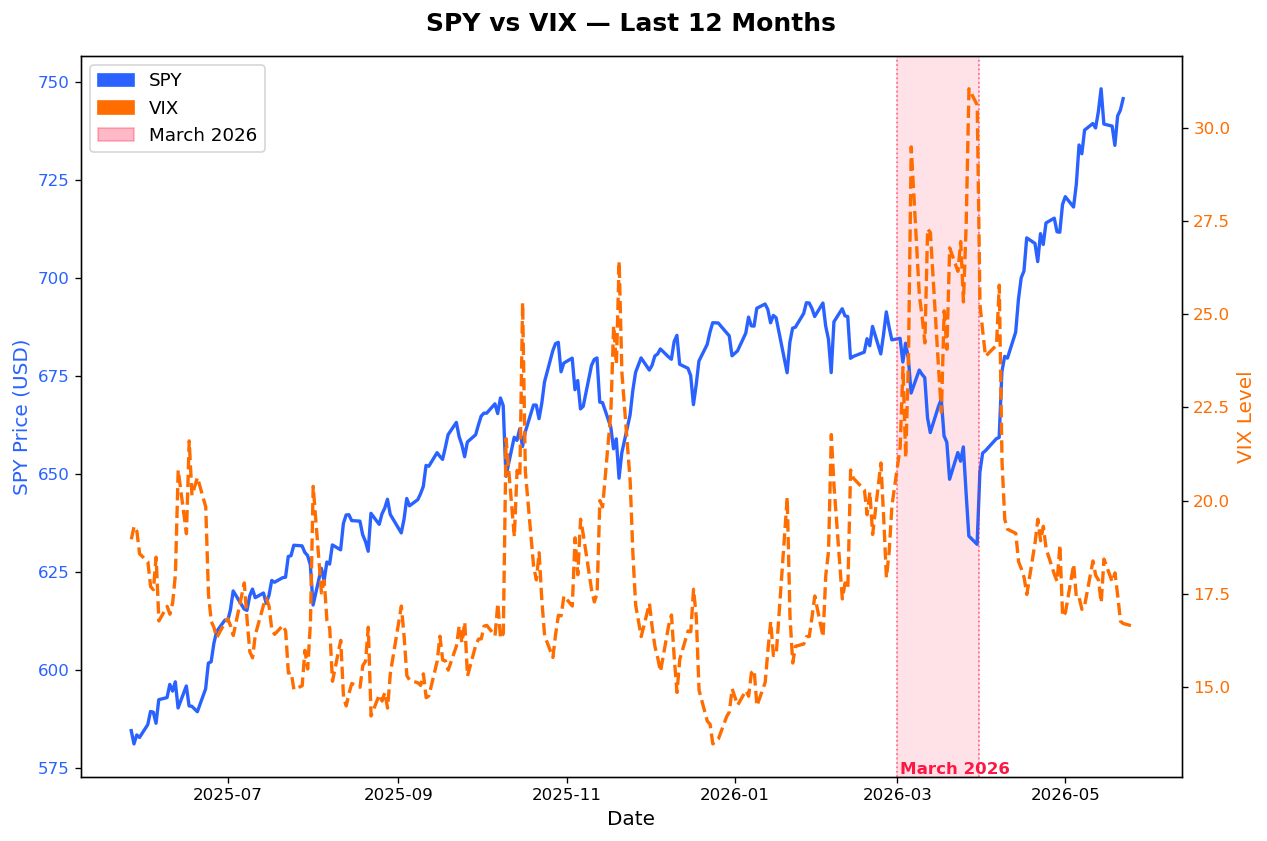
Implied volatility tells you how expensive options are. But expensive compared to what? IV Rank answers that question. In this post, we break down IV Rank and IV Percentile: what they measure, how to calculate them, and how to use them in Python to decide when conditions are truly favorable for selling premium.

0 Comments

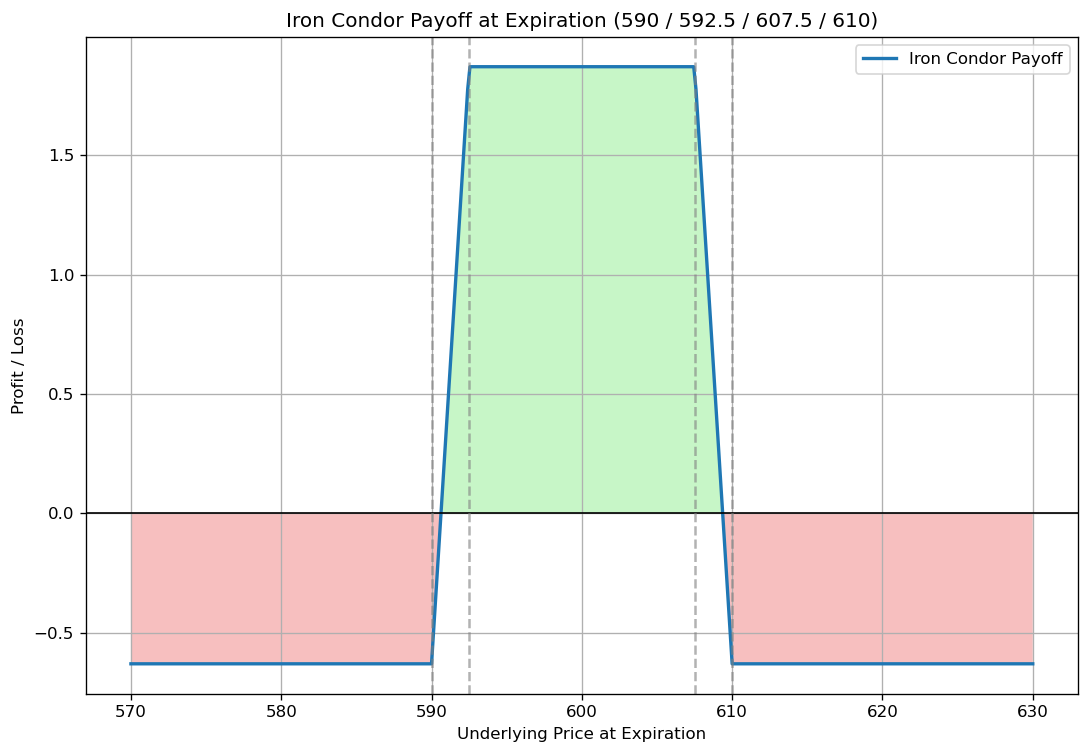
The Bull Put Spread Trade on Seasonal Edge

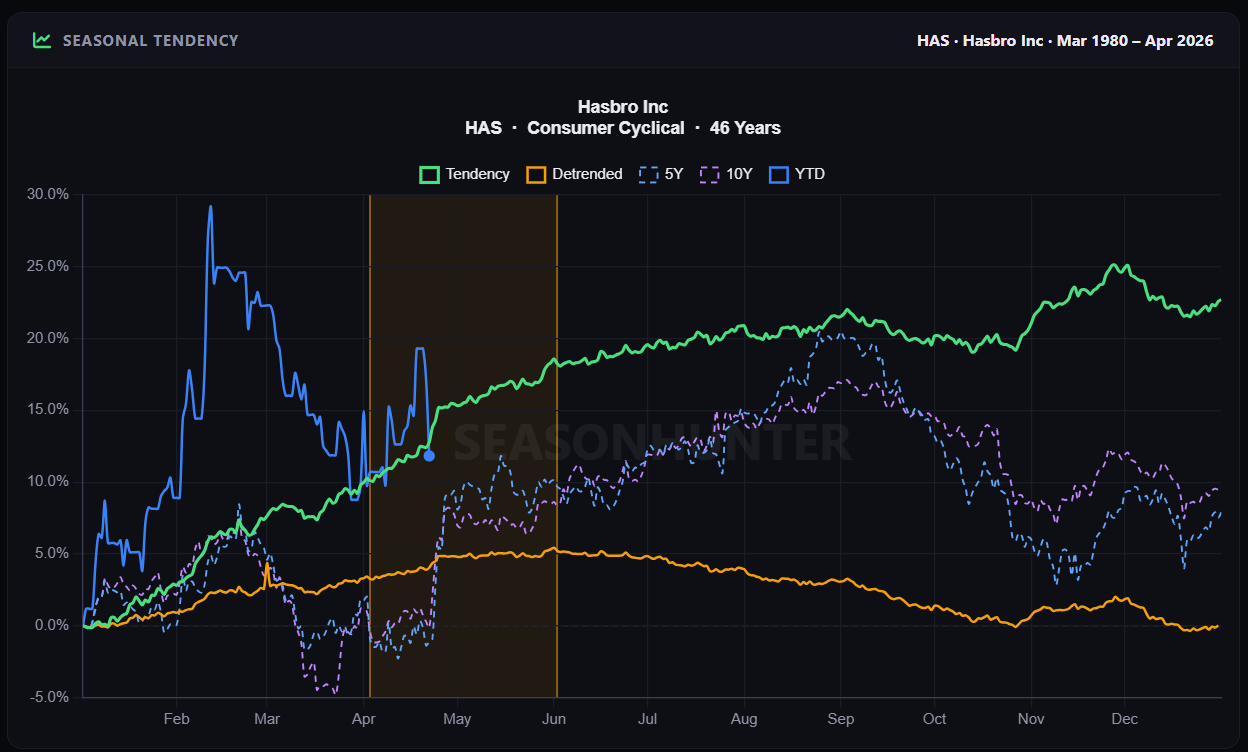
On April 1st, SeasonHunter flagged a seasonal pattern on Hasbro (HAS) with a 77.8% win rate across 45 years of data. I opened a Bull Put Spread with less than $500 of margin. Seventeen days later, I closed it with $162 in profit. That's a 32% return on deployed capital, while the stock itself moved only 5.3%. In this article I walk through the complete trade lifecycle: the SeasonHunter signal, the spread structure, the exit rule I use when premium decays faster than time passes, and why capital efficiency is the real argument for options over equity in seasonal strategies.

0 Comments

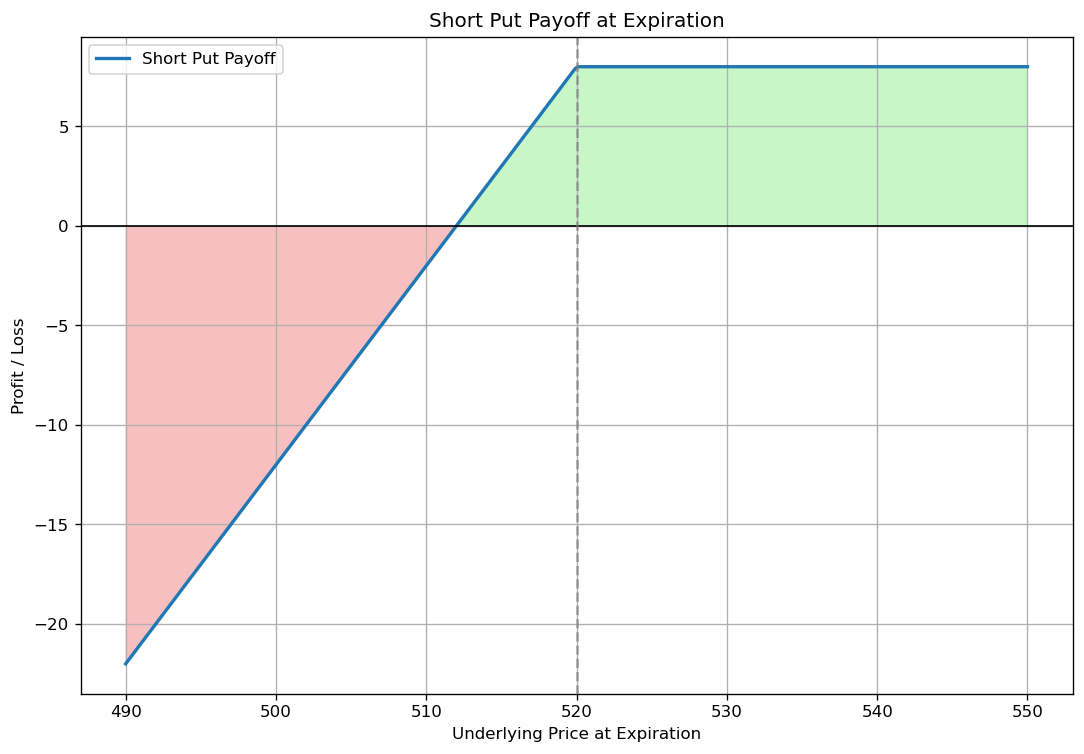
Cash Secured Puts as Income Strategy

Selling a cash-secured put is one of the cleanest income strategies in options trading, but it has its own risks, and it must be done right. In this post, we break down the three pillars that make it work: proper cash backing, quality stock selection, and a neutral-to-bullish market outlook. With a concrete trade example and Python code to scan for candidates.

0 Comments

Systematic Approach to Options Trading

In my previous series of blog posts on (Pin Risk and Max Pain), we explored how massive open interest at specific strikes creates gravitational forces that pull stock prices toward those levels near expiration. We saw how dealer gamma hedging — the mechanical necessity of market makers rebalancing billions in exposure — creates observable pinning behavior every Friday. This post is about implementation — the practical rules, decision trees, and position management strategies you need to trade with pin risk rather than against it.

0 Comments

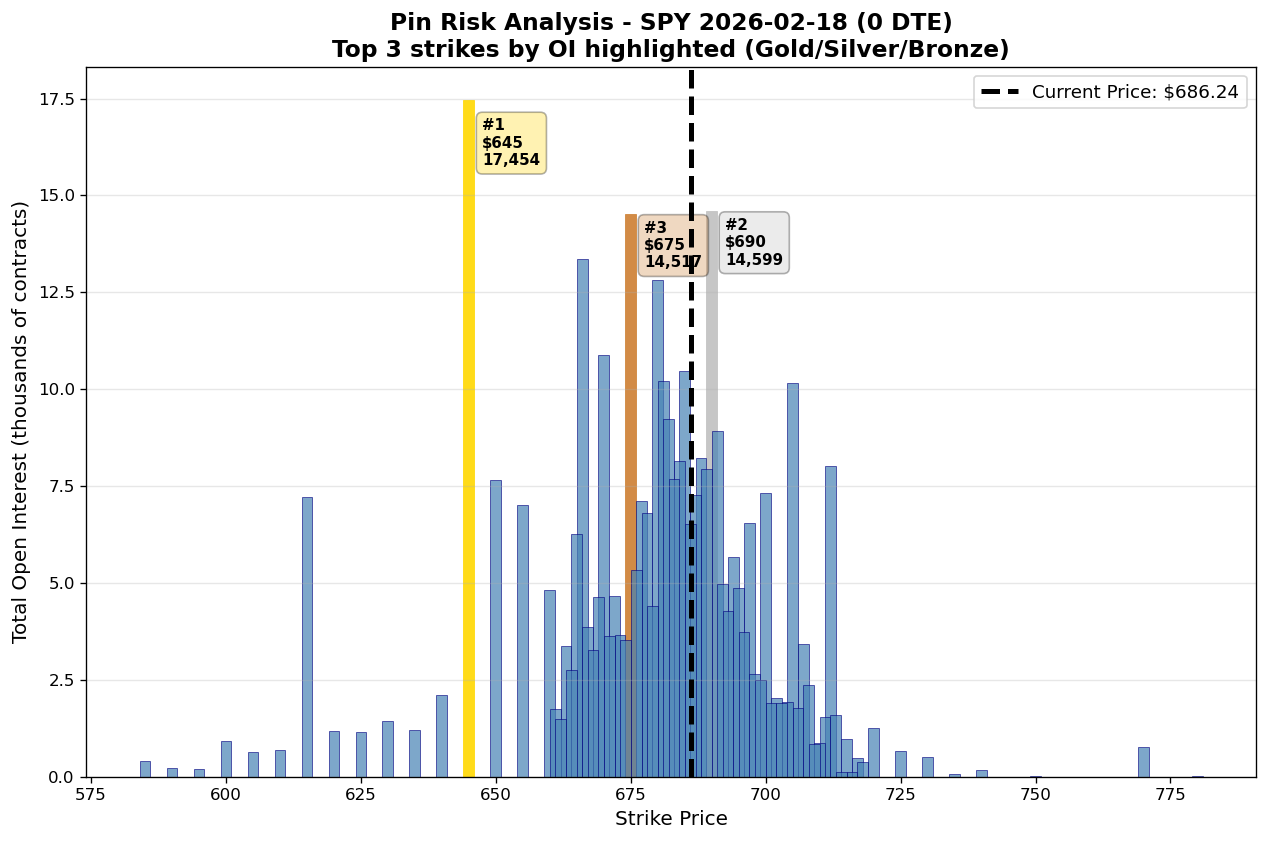
Pin Risk: How High Open Interest Creates Price Gravity

Max Pain tells us where the equilibrium point sits. But what's the actual mechanism that pulls the price toward it? Why do stocks repeatedly close within pennies of high open interest strikes, especially near expiration? The answer is pin risk — the gravitational force created by dealer gamma hedging.

0 Comments

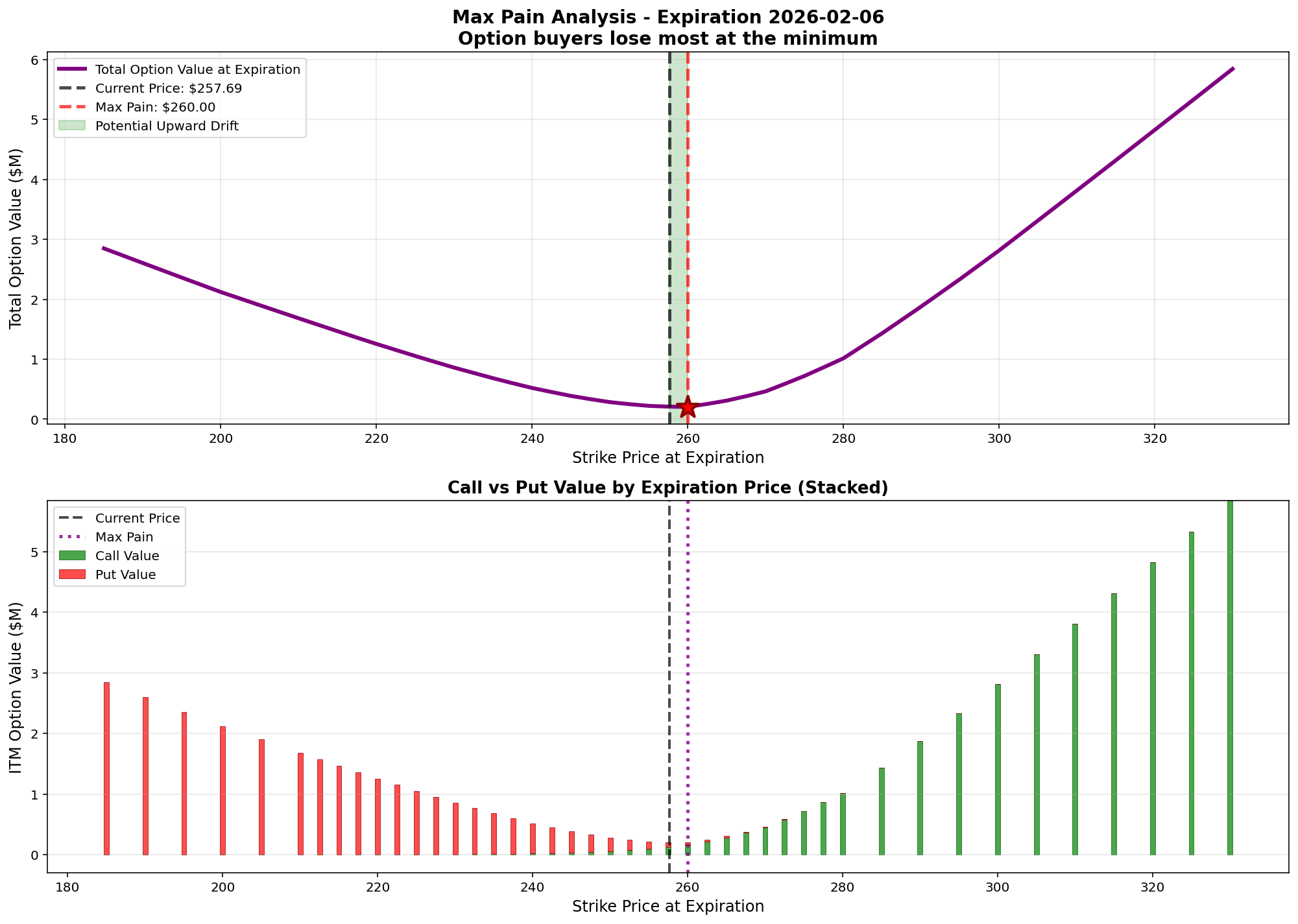
Max Pain in Options Trading: Manipulation or Market Dynamics?

It's Friday late evening, and I am trading options. The market closes in a few hours, and I am monitoring my positions before the options expiration. I am watching SPY trade at $601.50, and I notice something strange: massive open interest sits at the $600 strike. Over the next hour, despite no obvious news, SPY drifts down to close at $600.08. On Monday, I see the same pattern repeat — the stock closed within pennies of a high open interest strike. Is this a coincidence or is there an explaination about this behaviour?

0 Comments

Options Liquidity and Market Execution

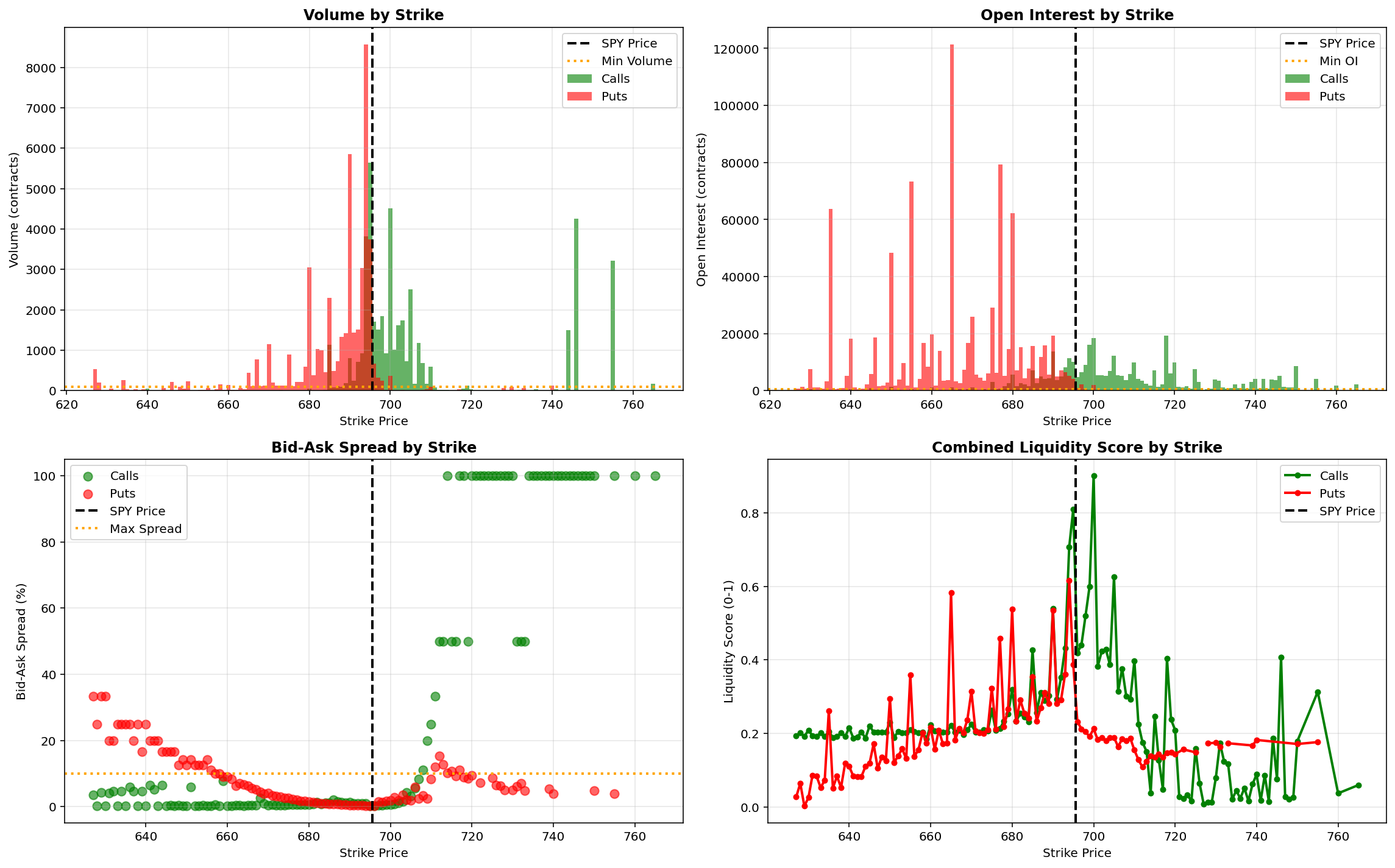
Before any option trade, I spend a lot of time analyzing the market, identifying a perfect setup, calculating my edge, and then I enter the trade. My thesis plays out exactly as expected. The stock moves in my favor, and I feel right...But I lose money. How? Liquidity.

0 Comments