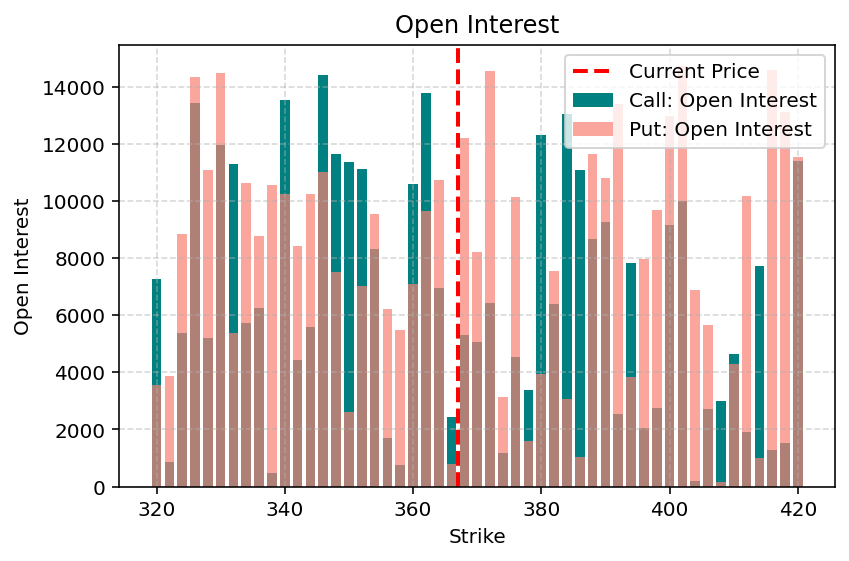
Reading Options Volume and Open Interest

I often find that a simple physics analogy makes trading concepts easier to grasp, particularly when explaining the difference between what’s moving and what’s already there, the flux and the state. The flux measures flow through a surface, like current through a wire. The state describes what exists at a point in time, like charge accumulated in a capacitor. Options markets have a similar duality: volume measures the flow of contracts trading today, while open interest describes the total number of contracts that are still open and exist in the market.

0 Comments

Expected Move: The Options Trader’s Guide

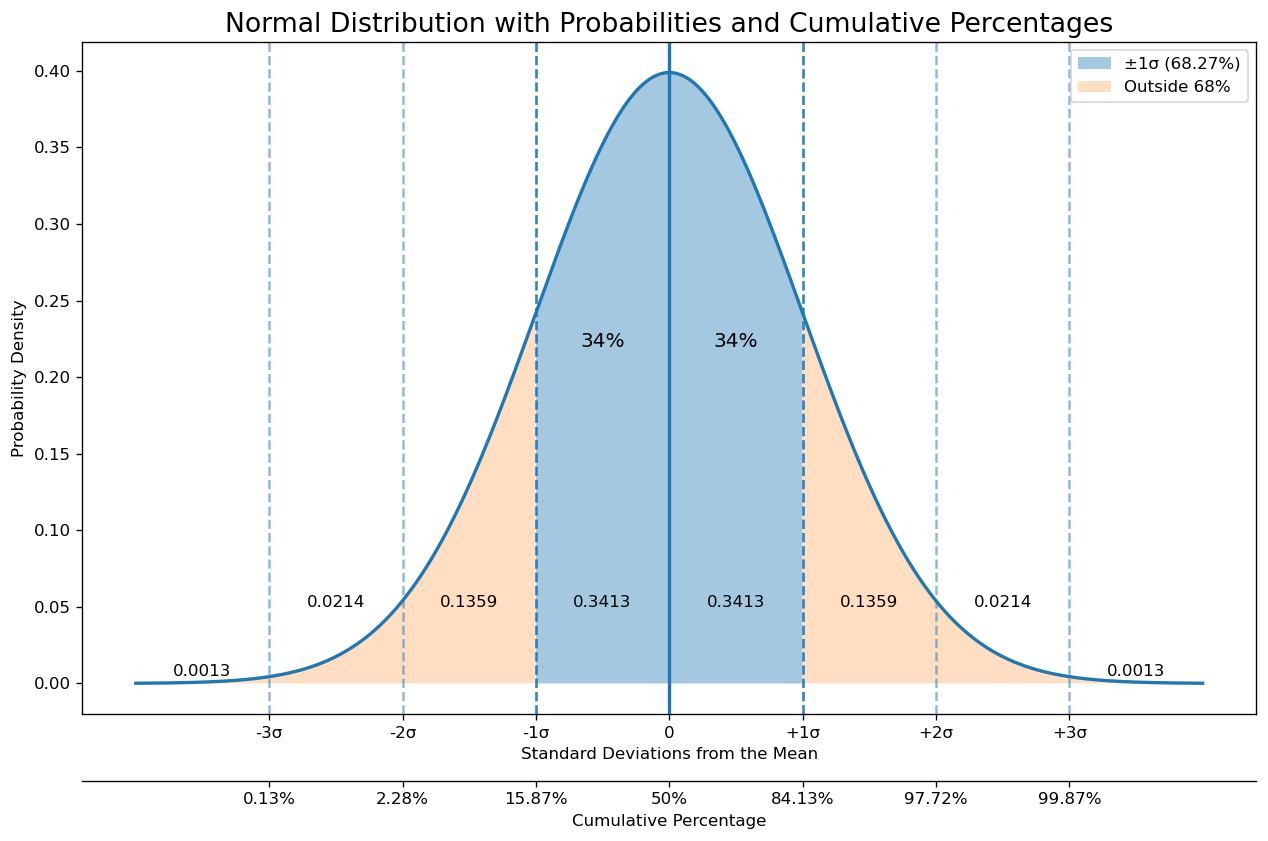
Before earnings, product launches, or Fed announcements, traders face a critical question: How much will this stock actually move? The expected move answers this by quantifying the price range a stock is likely to stay within over a given time period — typically until options expiration. Unlike historical volatility, which looks backward, the expected move is forward-looking and derived from implied volatility priced into the options market.

0 Comments

A Practical Guide to Retrieving Options Data

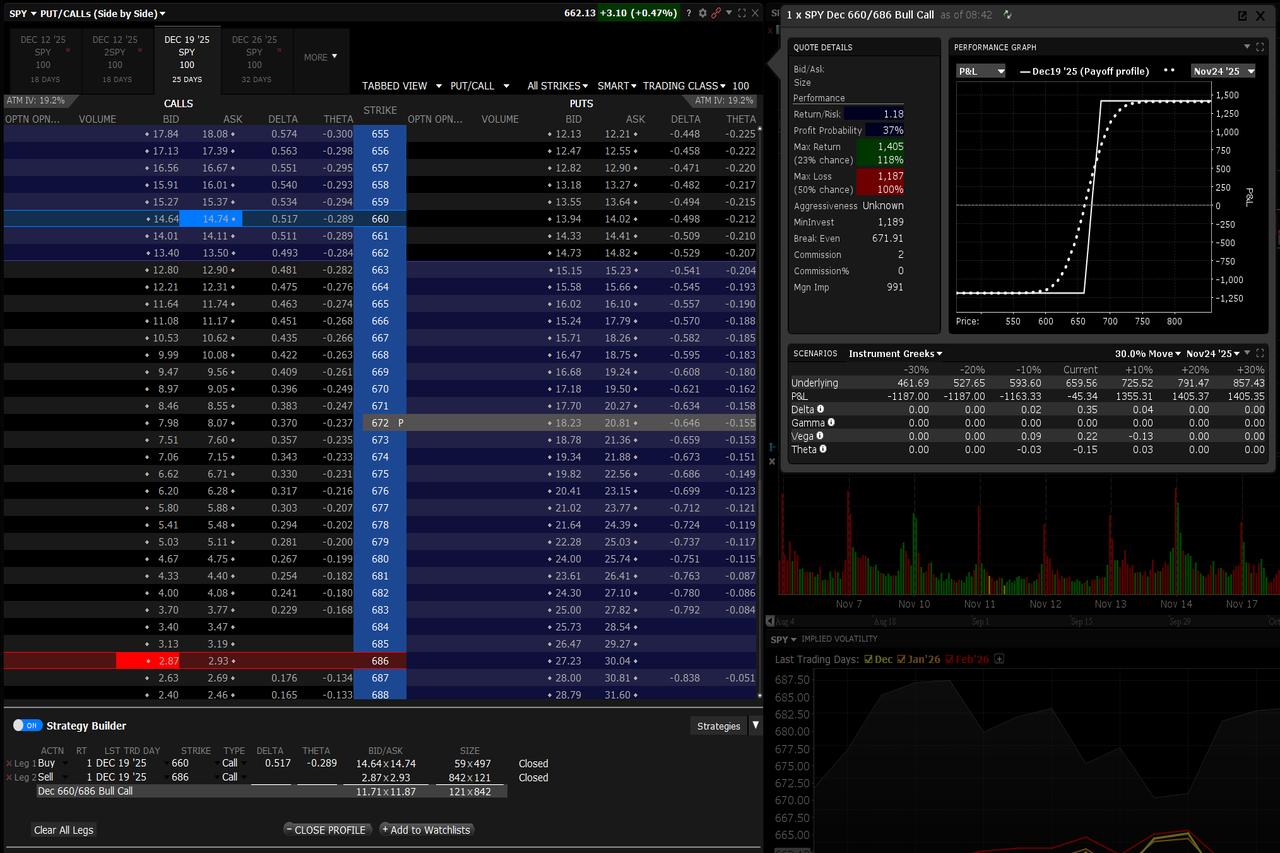
Understanding options data is essential if you want to move from theory to actual, structured trading strategies. Whether you’re tracking implied volatility, evaluating premiums, or building spreads, the first step is always the same: fetching the option chain.

0 Comments