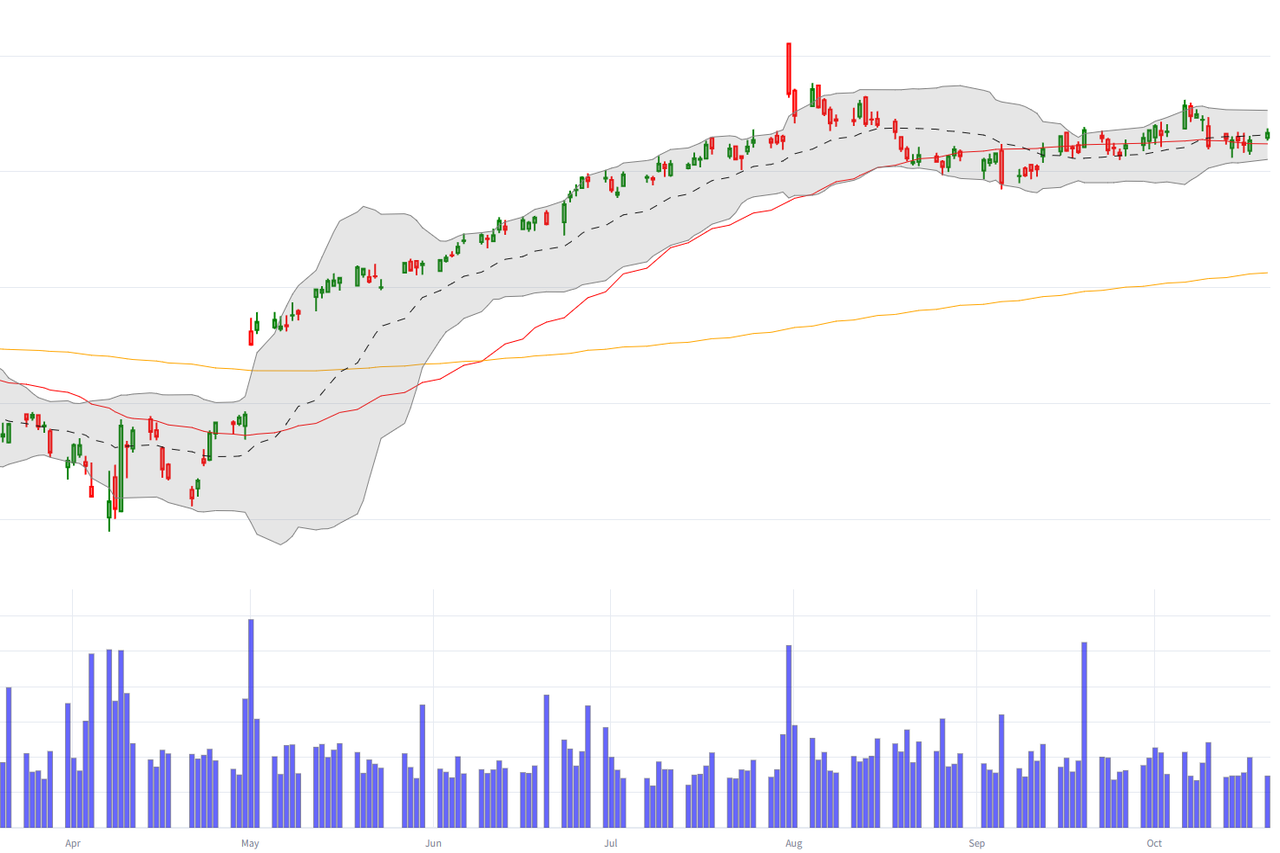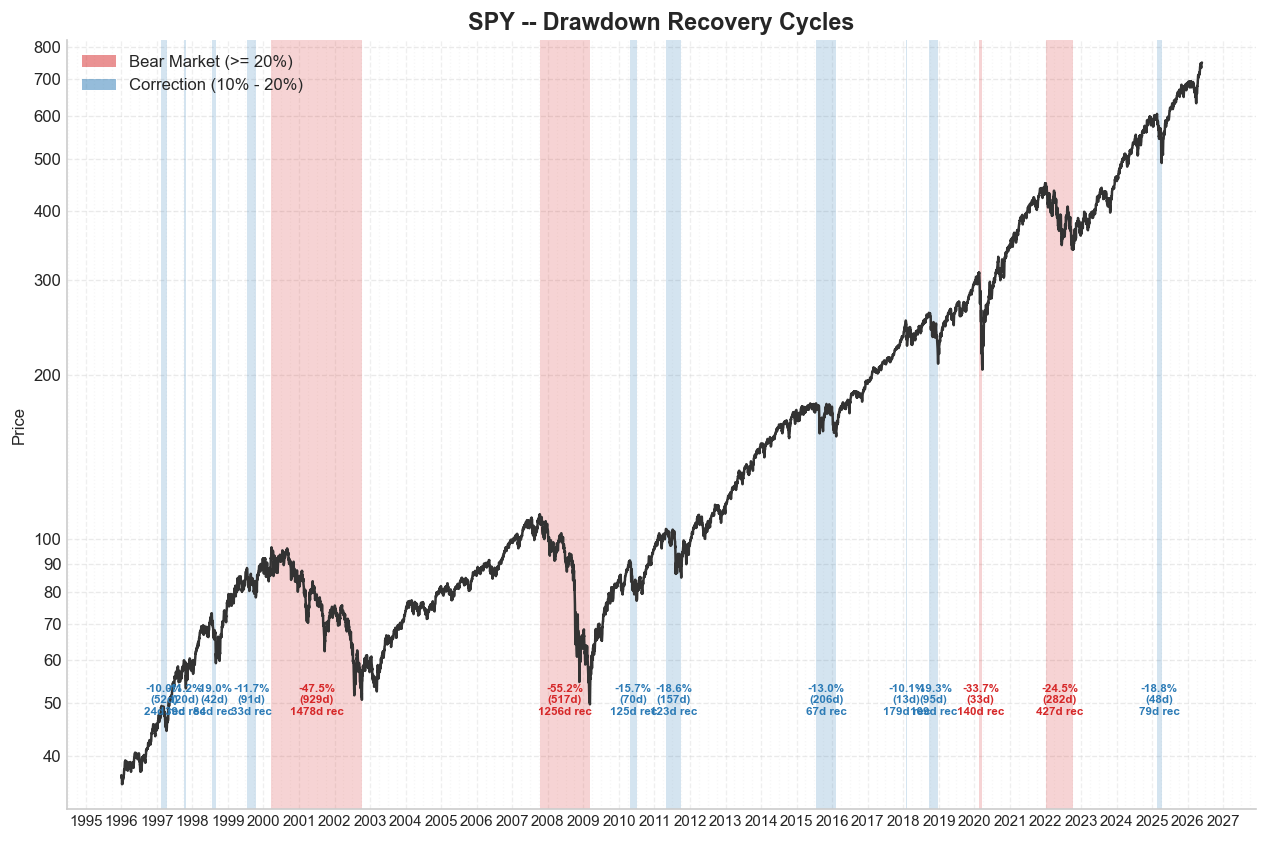
The Bull Put Spread Trade on Seasonal Edge

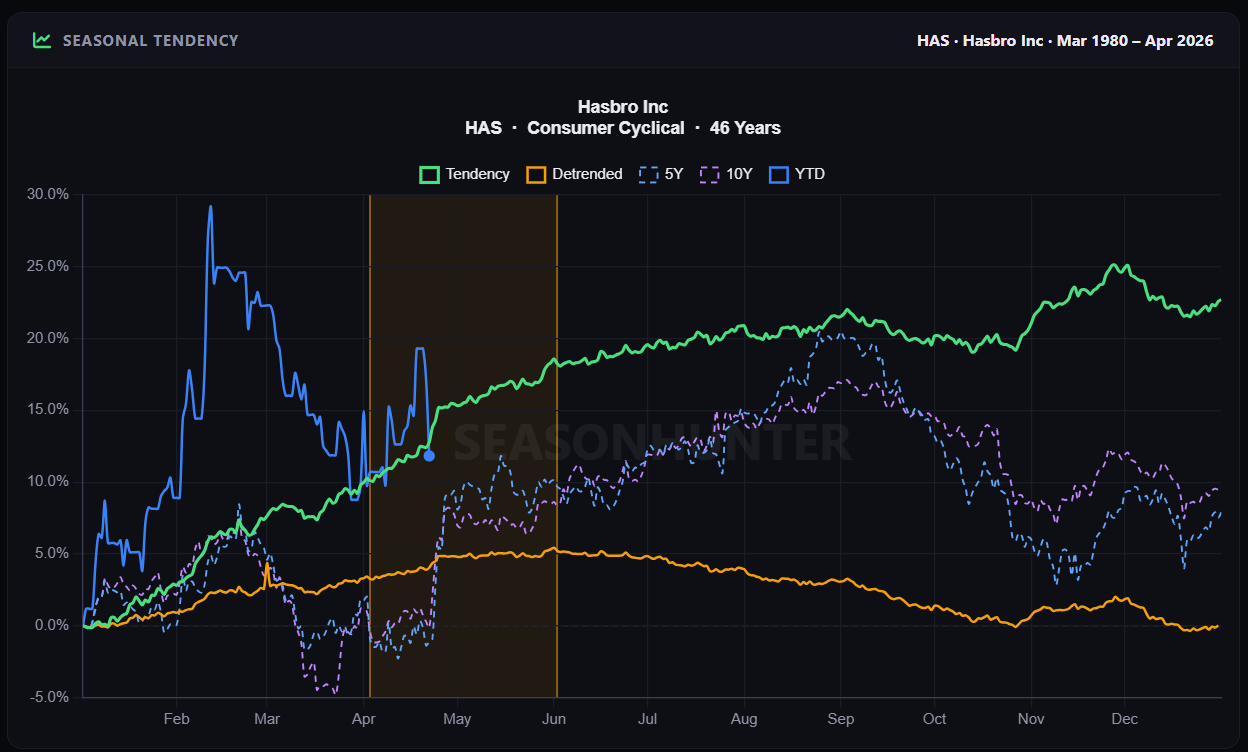
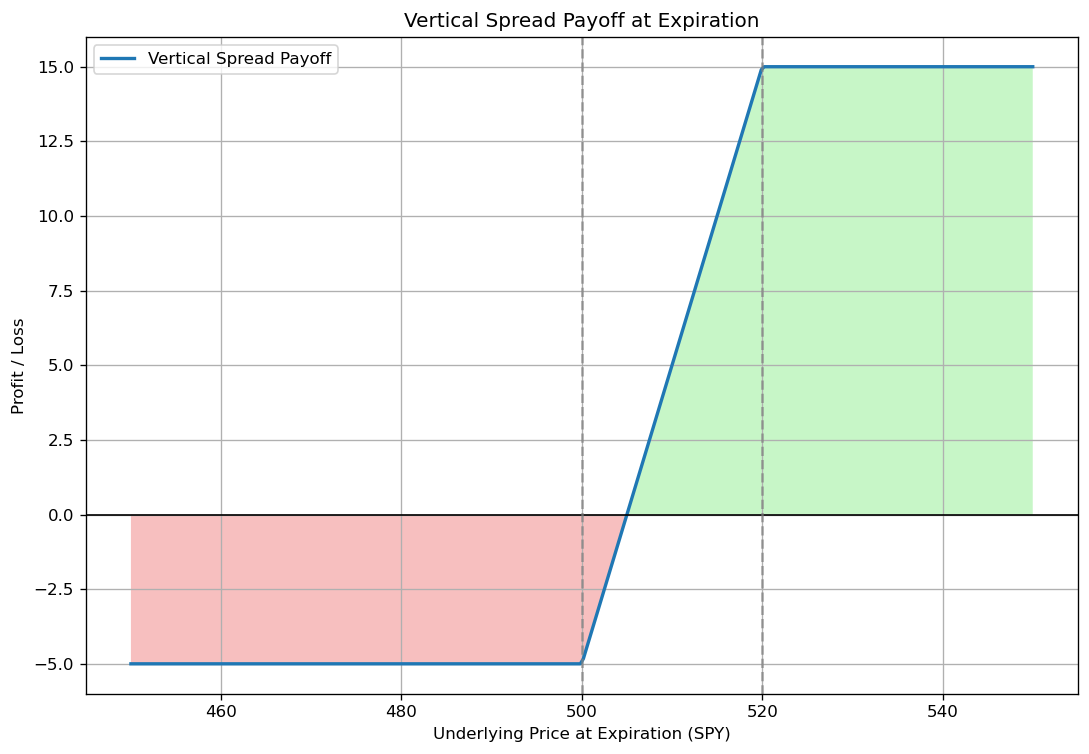
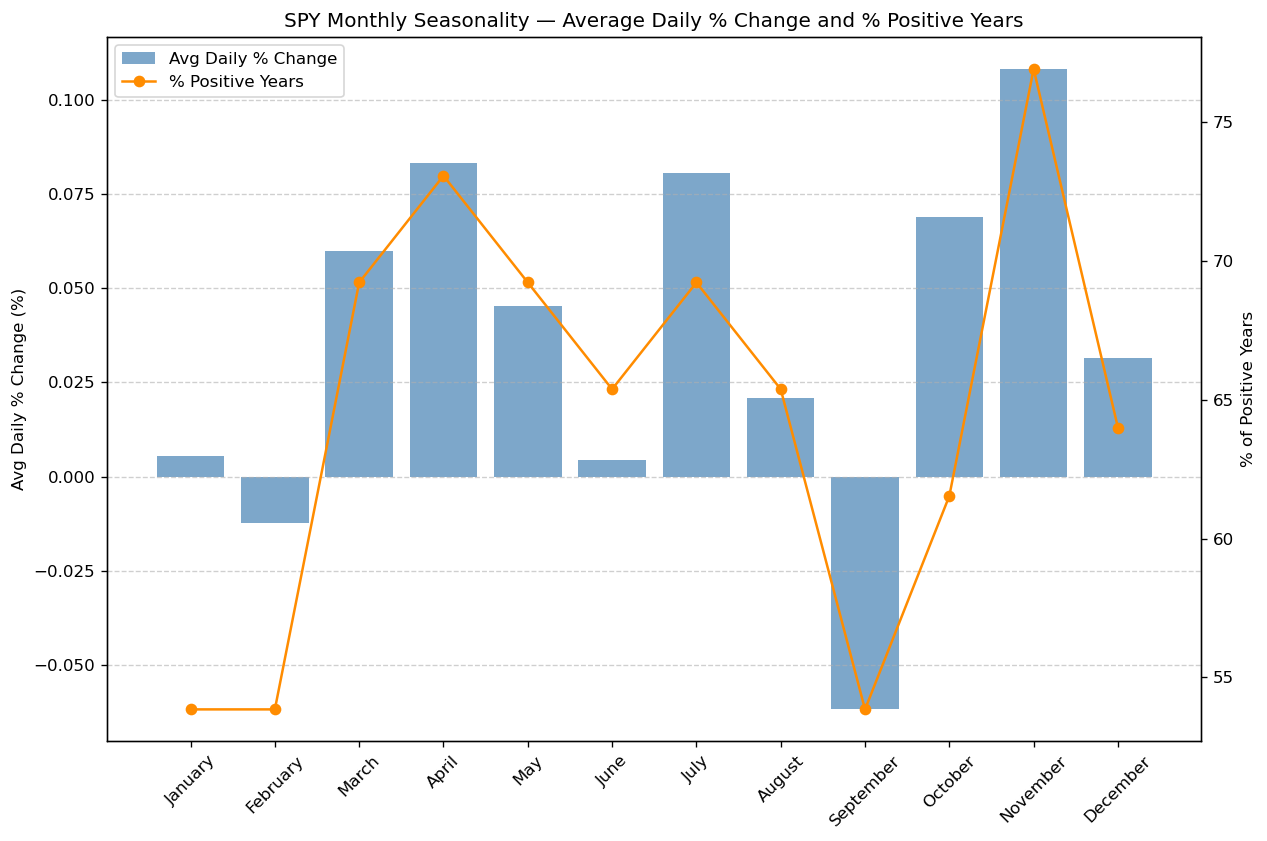
On April 1st, SeasonHunter flagged a seasonal pattern on Hasbro (HAS) with a 77.8% win rate across 45 years of data. I opened a Bull Put Spread with less than $500 of margin. Seventeen days later, I closed it with $162 in profit. That's a 32% return on deployed capital, while the stock itself moved only 5.3%. In this article I walk through the complete trade lifecycle: the SeasonHunter signal, the spread structure, the exit rule I use when premium decays faster than time passes, and why capital efficiency is the real argument for options over equity in seasonal strategies.

0 Comments

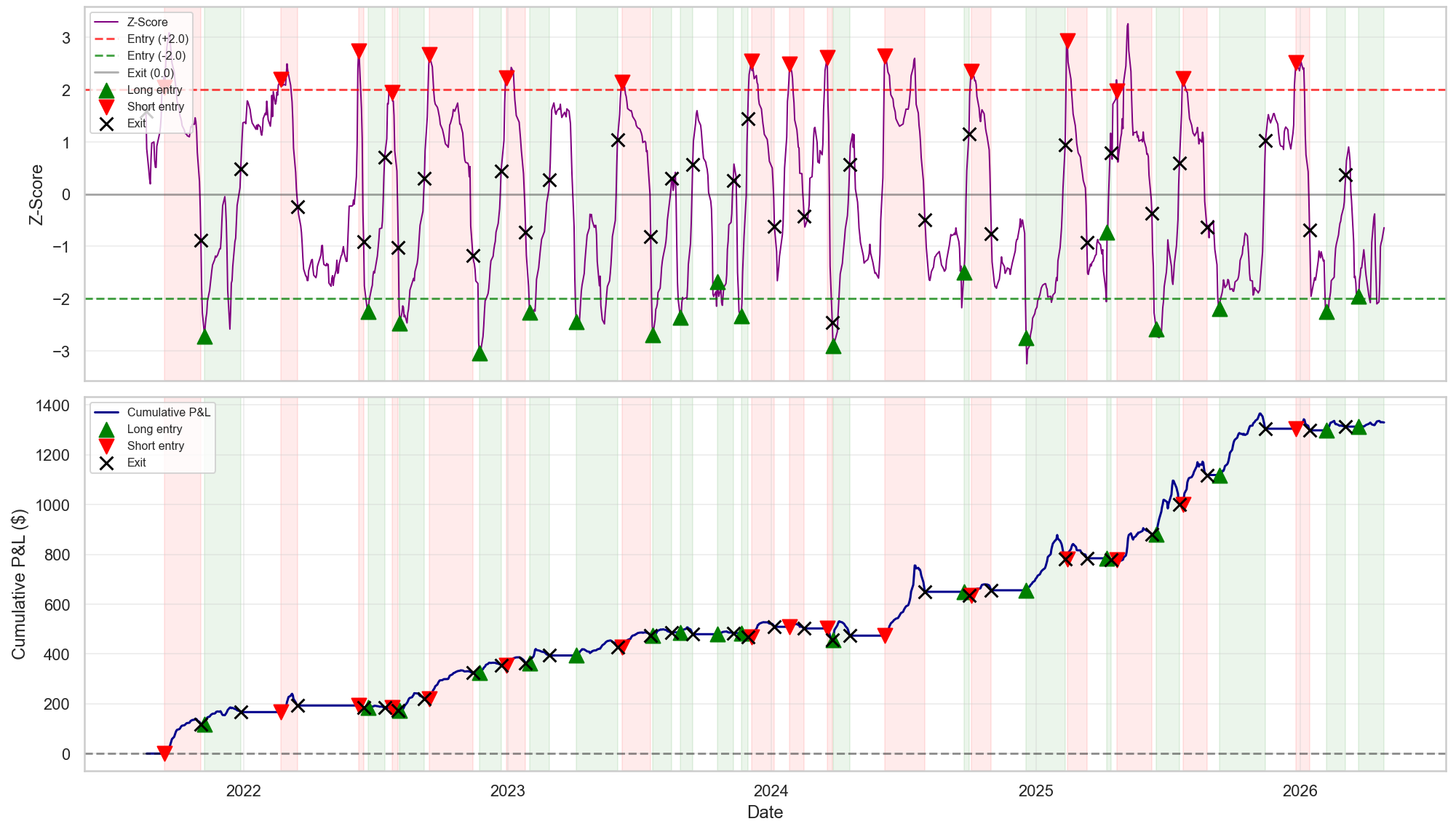
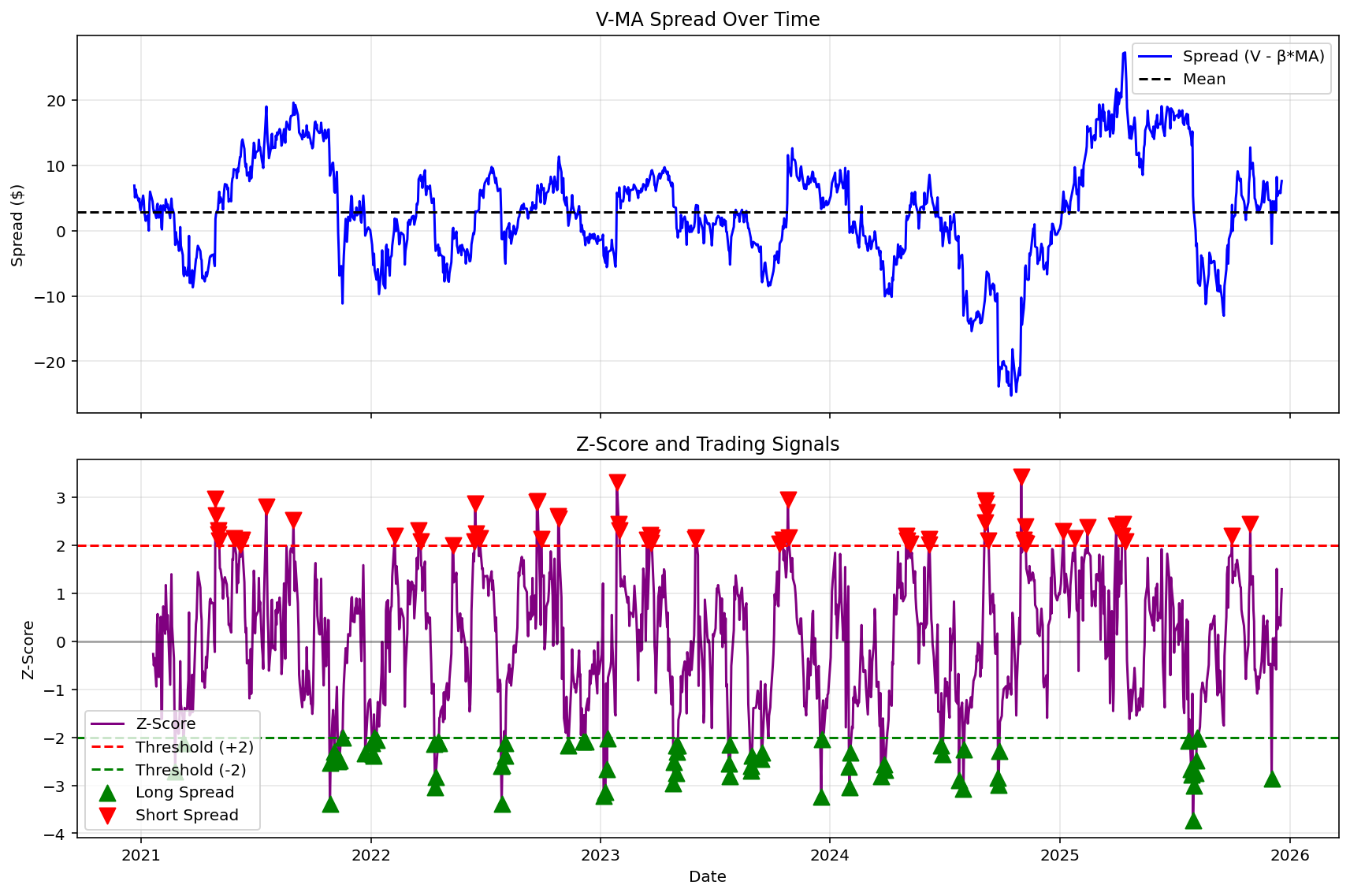
Spread Trading with Z-Score

Pairs trading exploits the principle of relative value. Like in physics, we sometimes do not care only about absolute values — we care about deviations from a reference state. In this post, we'll use Python to construct a spread strategy between two stocks.

0 Comments

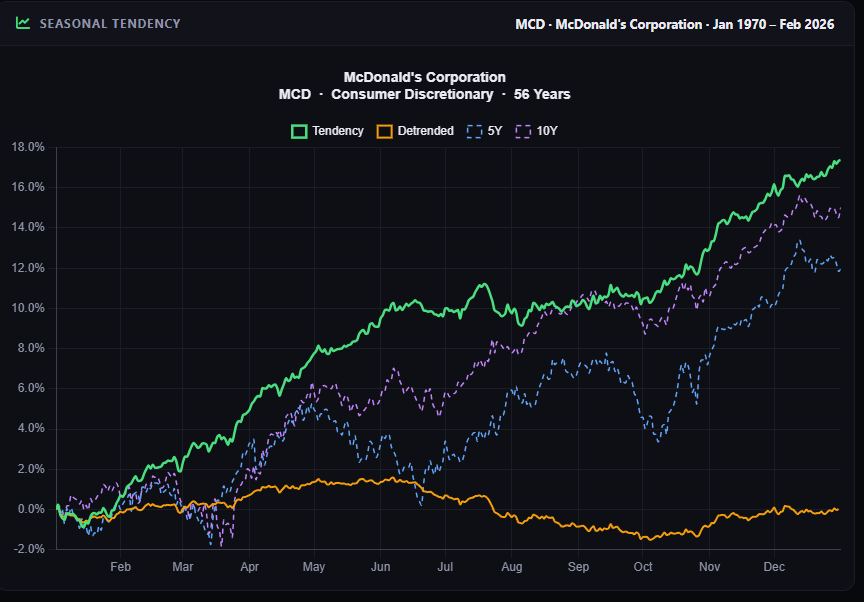
Analyzing and Detrending Yearly Cumulative Returns

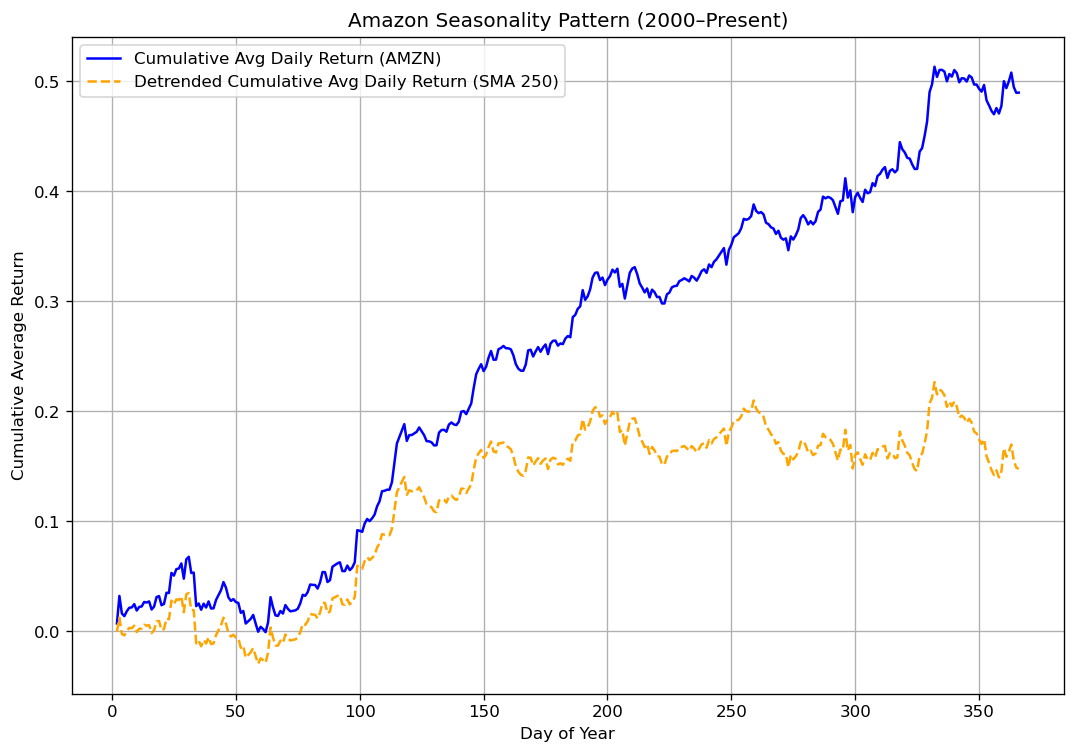
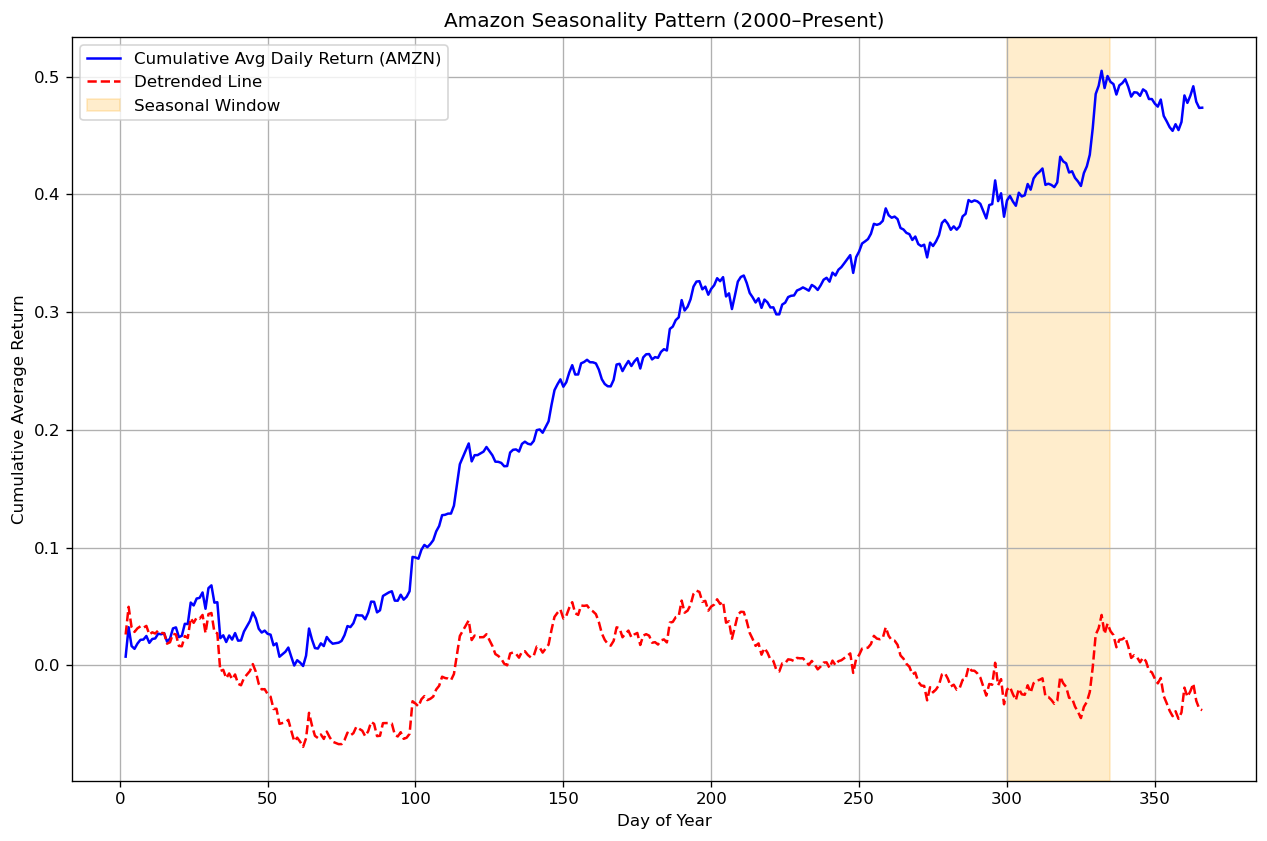
Stock prices — and even their cumulative returns — often show long-term upward or downward trends that can mask underlying behavior. In this post, we’ll use Python to calculate the yearly cumulative returns of a stock, understand what this metric really means, and then detrend the return series to reveal its true fluctuations and relative performance over time.

0 Comments

Adjusted vs. Unadjusted Prices: The Hidden Trap

In quantitative trading, like in physics, every model starts with data — and often, that means historical prices. But not all price data is created equal. One of the most overlooked — and misunderstood — aspects of market data is the distinction between adjusted and unadjusted stock prices. It might seem like a small technical detail, but it’s often the difference between a strategy that looks profitable —and one that truly is making money. In this post, I’ll unpack why that distinction matters.

0 Comments

Building Walk-Forward Date Splits for Backtesting

When I first started backtesting strategies, I thought one long backtest was enough. It wasn’t. Markets change, conditions shift, and what worked in one year might fail in the next. That realization led me to walk-forward analysis — a systematic way to simulate how a strategy learns and adapts over time. In this post, I’ll show you how to generate the date sequences that make this method possible using Python.

0 Comments