Spread Trading with Z-Score

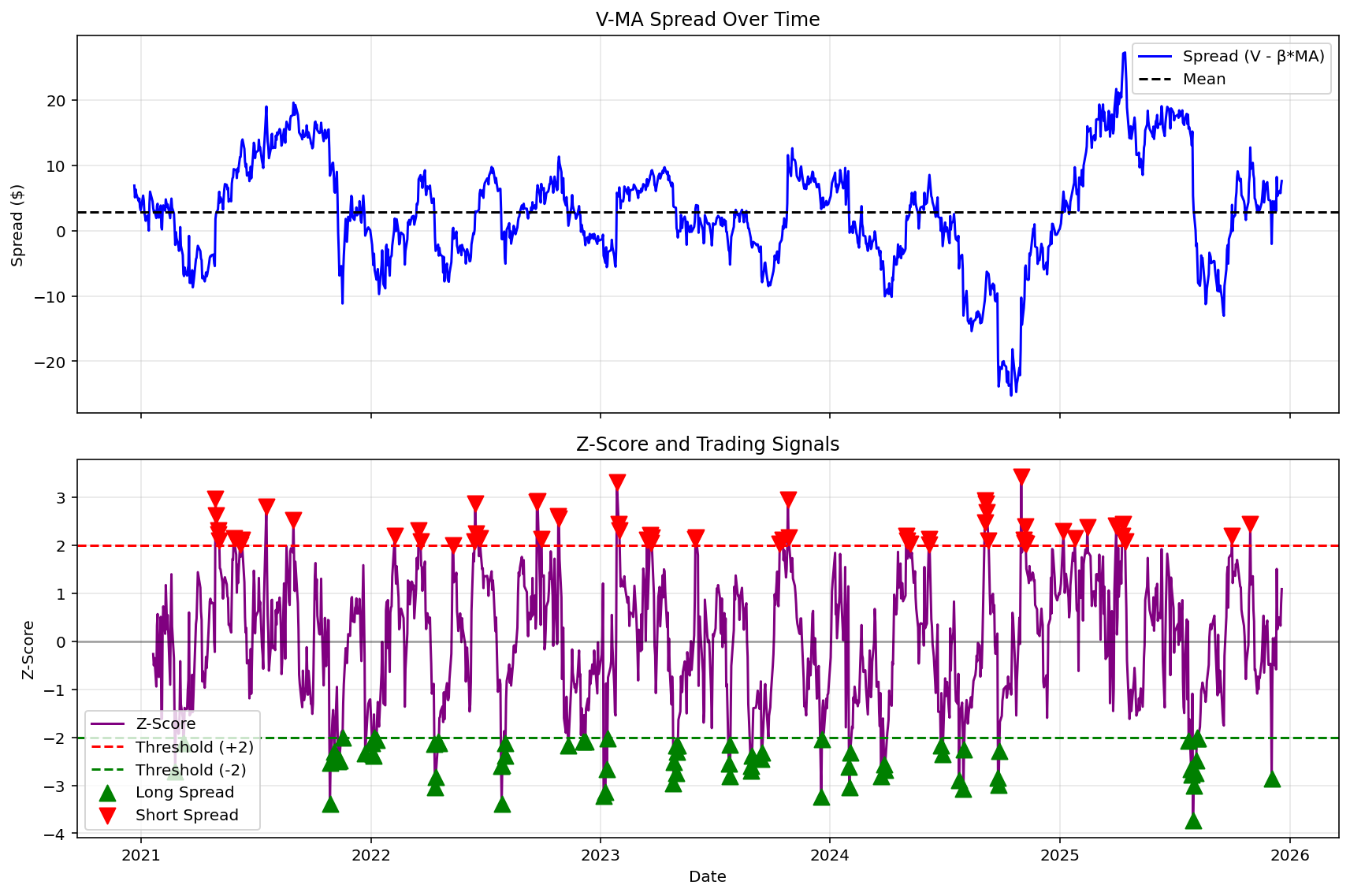
Pairs trading exploits the principle of relative value. Like in physics, we sometimes do not care only about absolute values — we care about deviations from a reference state. In this post, we'll use Python to construct a spread strategy between two stocks.

0 Comments

Analyzing and Detrending Yearly Cumulative Returns

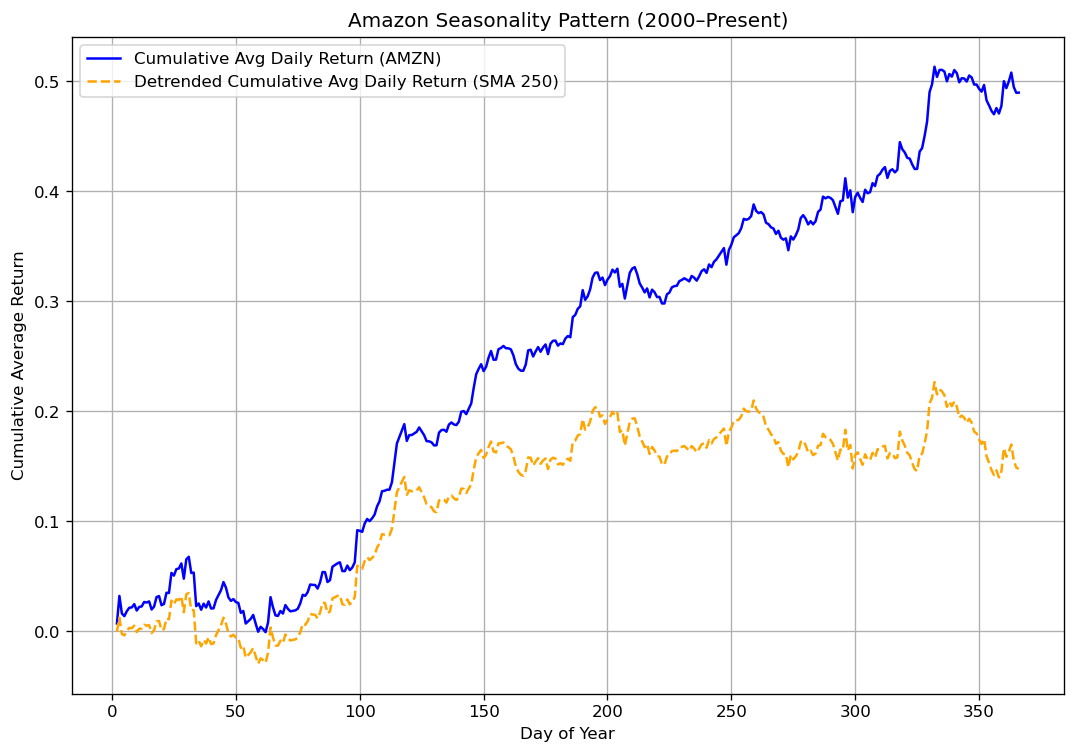
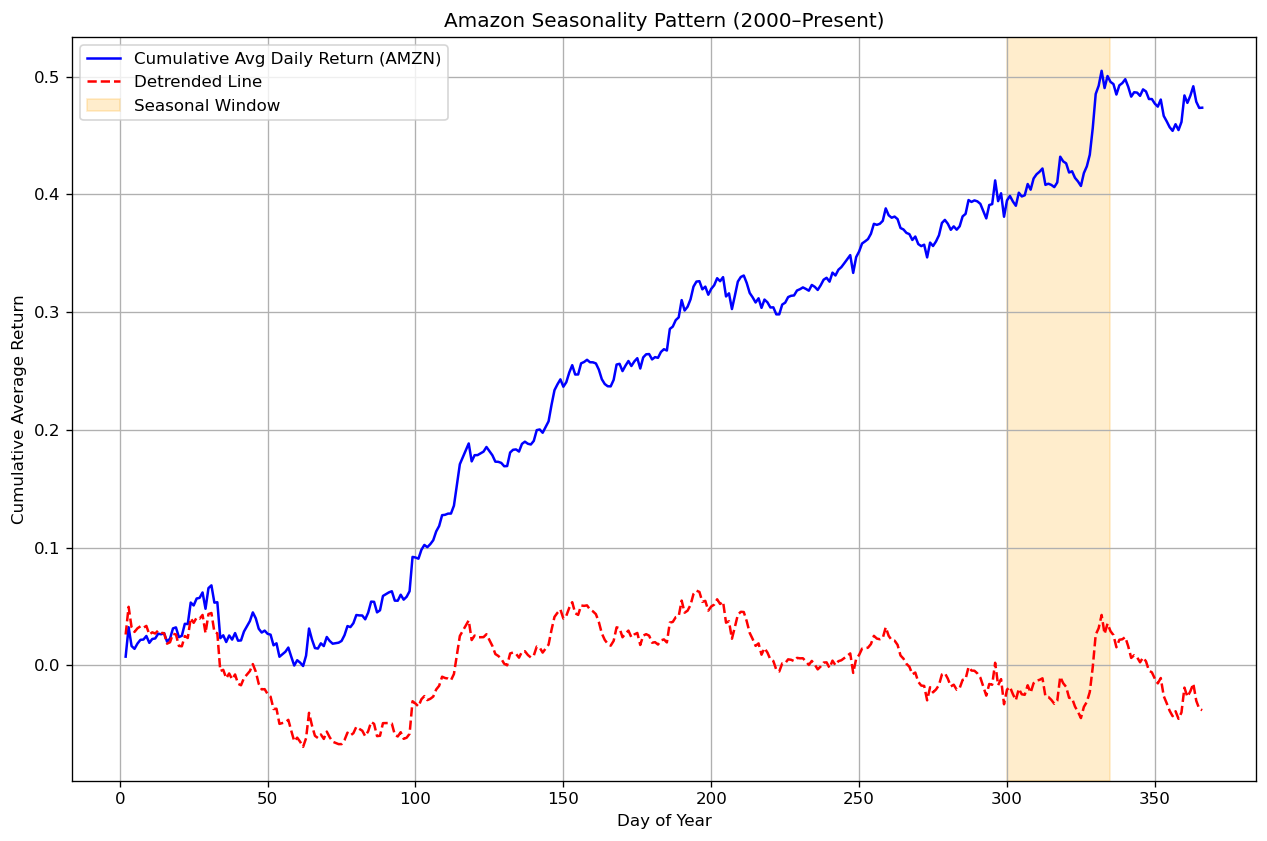
Stock prices — and even their cumulative returns — often show long-term upward or downward trends that can mask underlying behavior. In this post, we’ll use Python to calculate the yearly cumulative returns of a stock, understand what this metric really means, and then detrend the return series to reveal its true fluctuations and relative performance over time.

0 Comments

A Practical Guide to Retrieving Options Data

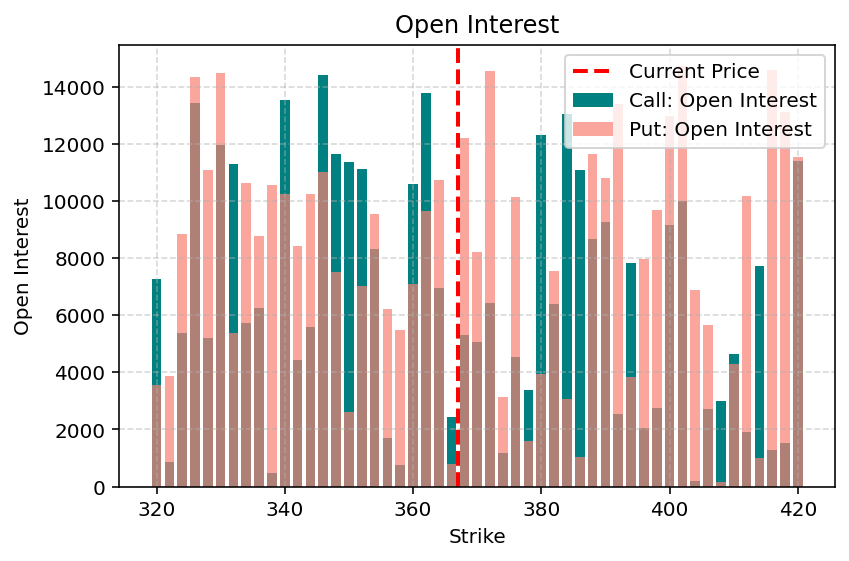
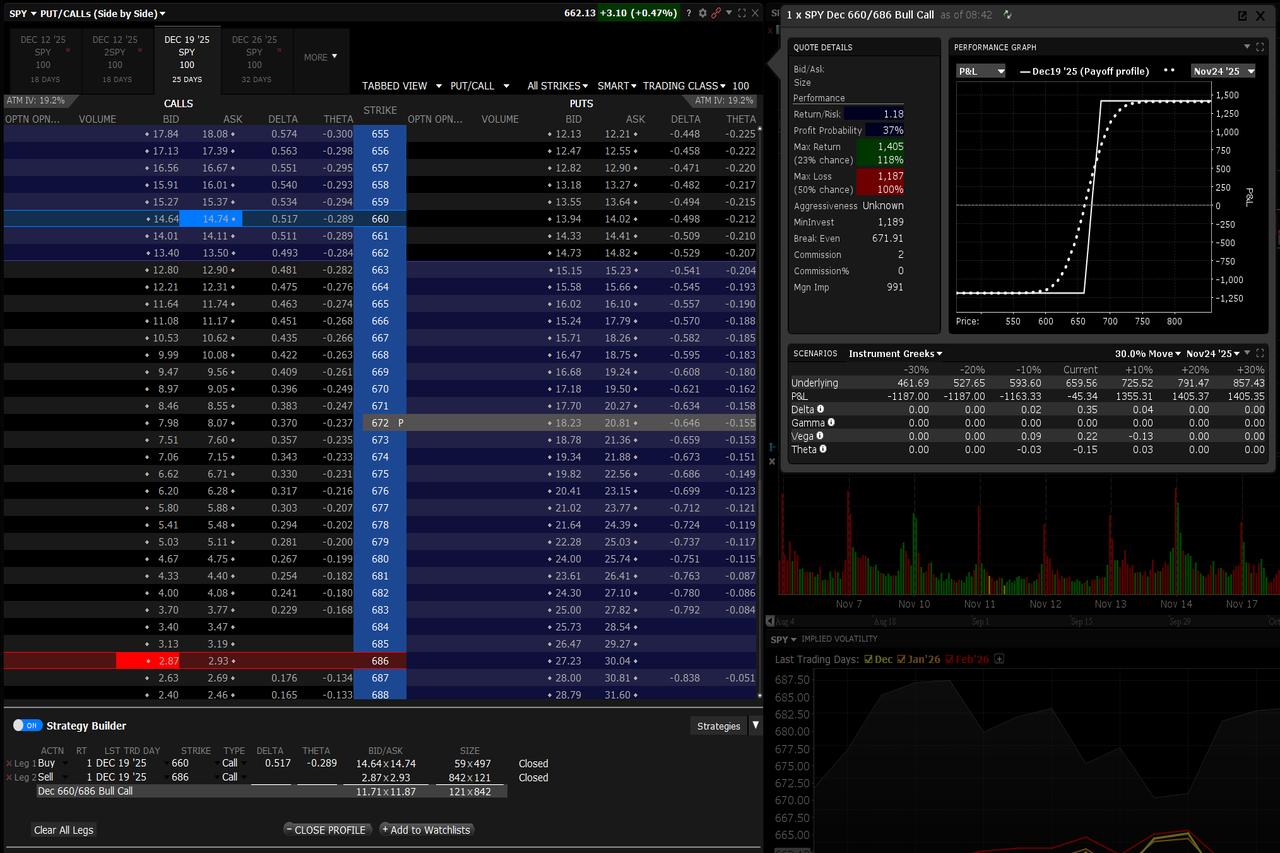
Understanding options data is essential if you want to move from theory to actual, structured trading strategies. Whether you’re tracking implied volatility, evaluating premiums, or building spreads, the first step is always the same: fetching the option chain.

0 Comments

Adjusted vs. Unadjusted Prices: The Hidden Trap

In quantitative trading, like in physics, every model starts with data — and often, that means historical prices. But not all price data is created equal. One of the most overlooked — and misunderstood — aspects of market data is the distinction between adjusted and unadjusted stock prices. It might seem like a small technical detail, but it’s often the difference between a strategy that looks profitable —and one that truly is making money. In this post, I’ll unpack why that distinction matters.

0 Comments

Building Walk-Forward Date Splits for Backtesting

When I first started backtesting strategies, I thought one long backtest was enough. It wasn’t. Markets change, conditions shift, and what worked in one year might fail in the next. That realization led me to walk-forward analysis — a systematic way to simulate how a strategy learns and adapts over time. In this post, I’ll show you how to generate the date sequences that make this method possible using Python.

0 Comments

Get the S&P 500 List: A Smarter Way

Like many traders, I started by scraping Wikipedia for S&P 500 tickers. It worked… until it didn’t. In this post, I’ll share a cleaner, more professional and repeatable approach: using iShares ETF data and Python to build a reliable, extensible list of stocks to start your initial analysis.

0 Comments